
Moulding
Types of Baseboard Moulding: A Complete Guide for Every Home Style
TL;DR
There are many types of baseboard moulding, each offering a different look—from clean and modern to classic and decorative. Square edge, colonial, stepped, and beveled baseboards all serve the same purpose but create very different design effects. This guide breaks down the most common styles, materials, and tips for selecting the best option for your home. Need help finding the right baseboard moulding? Contact Builders Surplus at 866-739-1636 or visit our contact page.
Understanding the most popular types of baseboard moulding and how to choose the right one for your space.
Baseboards might seem like a small detail, but they play a big role in the overall look and feel of a room. The right baseboard helps define the transition between your walls and floors, hides expansion gaps, and adds a finished, professional appearance. With so many types of baseboard moulding available today, choosing the right one can feel overwhelming—but it doesn’t have to be.
Whether you’re building a new home, remodeling a single room, or updating trim throughout your space, understanding the different baseboard moulding options will help you make confident design decisions.
If you’d like expert help selecting baseboard moulding for your project, reach out to Builders Surplus at 866-739-1636 or through our contact page.
What Is Baseboard Moulding?
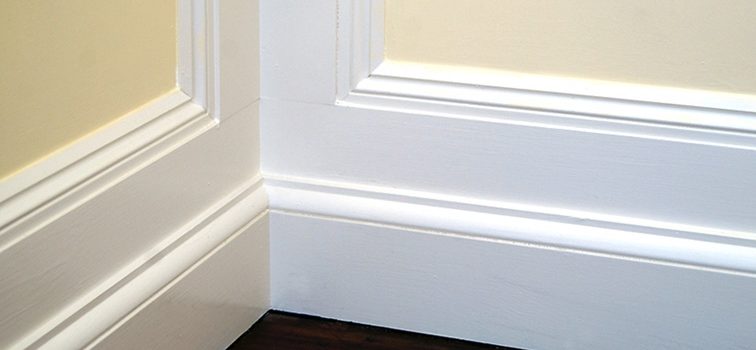
Baseboard moulding is installed along the bottom of interior walls where they meet the floor. Its primary purpose is to cover gaps caused by flooring expansion and uneven walls, but it also serves as a key design element. Baseboards frame a room much like trim around doors and windows, helping tie everything together.
The style, height, and profile you choose can subtly support your design—or completely change the character of a space.
Why the Type of Baseboard Moulding Matters
Not all baseboards are created equal. The type you choose affects:
- Overall style – Modern, traditional, or transitional
- Visual scale – Taller baseboards feel more substantial and upscale
- Room cohesion – Matching trim styles creates consistency
- Ease of installation – Some profiles are more DIY‑friendly than others
Choosing the right type of baseboard moulding ensures your trim complements your flooring, wall color, and architectural details.
Common Types of Baseboard Moulding
Let’s break down the most popular and widely used types of baseboard moulding and where they work best.
1. Square Edge Baseboard Moulding
Square edge baseboards feature a flat face and a clean, straight top edge with no detailing. This is one of the simplest and most modern types of baseboard moulding available.
Best for:
- Modern and minimalist interiors
- Contemporary homes and condos
- Open floor plans
Why homeowners love it:
- Clean, understated look
- Easy to paint and install
- Pairs well with flat stock door casing
2. Colonial Baseboard Moulding
Colonial baseboards are among the most traditional and recognizable types of baseboard moulding. They typically feature curved details, stepped edges, or decorative profiles.
Best for:
- Traditional and historic homes
- Colonial, Cape, and farmhouse styles
- Spaces with detailed door and window trim
Why homeowners love it:
- Timeless, classic appeal
- Adds architectural interest
- Works well in formal rooms
3. Stepped Baseboard Moulding
Stepped baseboards offer a subtle profile with clean transitions and minimal ornamentation. They strike a balance between square edge and more decorative styles.
Best for:
- Transitional homes
- Updated traditional interiors
- Whole‑house trim packages
Why homeowners love it:
- Simple but not plain
- Works with many design styles
- Adds depth without heavy detail
4. Beveled or Eased Edge Baseboard Moulding
Beveled baseboards feature a slightly angled top edge, softening the transition from wall to trim. This style adds just enough shape without looking ornate.
Best for:
- Modern‑traditional blends
- Casual living spaces
- Homes with subtle architectural detail
Why homeowners love it:
- Clean and timeless
- Less stark than square edge
- Easy to maintain
5. Flat Stock Baseboard Moulding
Flat stock baseboards are smooth, rectangular boards with no profile. They are often used alone or layered with a thin cap moulding.
Best for:
- Custom or high‑end interiors
- Modern and Scandinavian styles
- DIY trim projects
Why homeowners love it:
- Highly customizable
- Clean, architectural look
- Works well in tall heights
6. Tall Baseboard Moulding
Tall baseboards aren’t a profile themselves but a size choice. Heights typically range from 5” to 7” or more.
Best for:
- Rooms with high ceilings
- Larger or open spaces
- Homes aiming for an upscale look
Why homeowners love it:
- Makes ceilings feel taller
- Adds visual weight and polish
- Looks great painted or stained
7. Two‑Piece Baseboard Moulding
This style combines a flat baseboard with a smaller decorative cap moulding on top. It creates a layered look without the need for a single ornate piece.
Best for:
- Custom trim designs
- Traditional or transitional homes
- Remodels matching existing trim
Why homeowners love it:
- Flexible and customizable
- Easier to adjust height
- Professional, built‑up appearance
Materials Used for Baseboard Moulding
In addition to style, material choice matters. Here are the most common materials used for baseboard moulding:
MDF (Medium‑Density Fiberboard)
- Smooth, paint‑ready surface
- Budget‑friendly
- Best for dry interior spaces
Pine or Poplar
- Lightweight and easy to work with
- Paints and stains well
- Great for DIY installations
Hardwood
- Durable and premium
- Can be stained to match flooring
- Higher cost but long lifespan
PVC or Vinyl
- Moisture‑resistant
- Ideal for bathrooms and basements
- Low maintenance
How to Choose the Right Baseboard Moulding
When selecting among the many types of baseboard moulding, keep these tips in mind:
- Match your home’s style – Modern homes suit simpler profiles; traditional homes benefit from detail.
- Consider ceiling height – Taller ceilings can handle taller baseboards.
- Coordinate with other trim – Baseboards should complement door and window casing.
- Think long‑term – Choose a style you won’t tire of quickly.
Installation Tips for Best Results
- Pre‑paint baseboards before installing to save time.
- Use a miter saw for clean corner cuts.
- Caulk the top edge for a seamless look.
- Fill nail holes and lightly sand before final paint touch‑ups.
Proper installation makes even simple baseboard moulding look polished and professional.
Find the Right Types of Baseboard Moulding at Builders Surplus
Choosing among the many types of baseboard moulding is one of the final steps that truly completes a room. From clean square edge profiles to classic colonial styles, the right baseboard adds function, style, and polish to your home.
At Builders Surplus, you’ll find a wide selection of baseboard moulding options in various profiles, materials, and heights. With knowledgeable staff and locations throughout Massachusetts, Rhode Island, and Connecticut, we’re here to help homeowners and contractors find the best value without sacrificing quality.
Visit Builders Surplus or call 866-739-1636 to get started on your baseboard moulding project today.
FAQ: Types of Baseboard Moulding
Q: What is the most popular type of baseboard moulding?
Square edge and colonial styles are among the most popular, depending on whether a home leans modern or traditional.
Q: Are taller baseboards better?
Taller baseboards often look more upscale, especially in rooms with higher ceilings.
Q: Can I mix baseboard styles in my home?
It’s best to stay consistent, but subtle variations can work between formal and casual spaces.
Q: Is MDF baseboard moulding durable?
Yes, for dry interior spaces. Avoid MDF in high‑moisture areas.
Q: Should baseboards match door casing?
They don’t need to match exactly, but they should complement each other in style and scale.