
Flooring
Porcelain Tile Durability: What Makes It One of the Toughest Flooring Choice
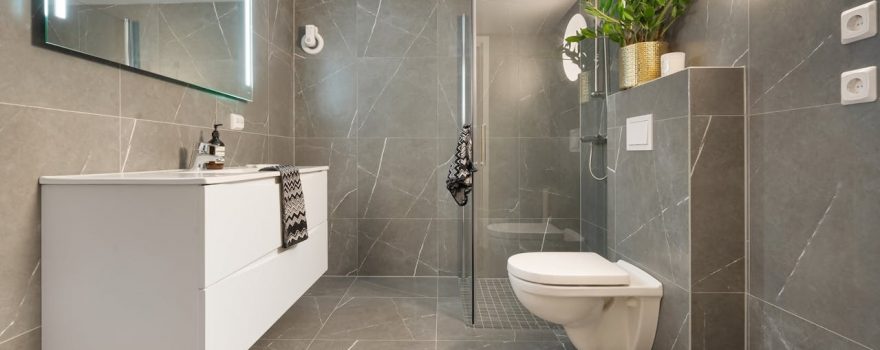
A practical look at porcelain tile durability for high-traffic, high-moisture spaces
TL;DR: Porcelain Tile Durability in Plain Terms
- Porcelain tile is engineered for strength, density, and longevity
- It resists moisture, stains, scratches, and temperature changes
- Performs exceptionally well in busy homes and demanding spaces
- Installation quality plays a major role in long-term durability
- With basic care, porcelain tile can last several decades
If you’re considering porcelain tile for an upcoming project, contact Builders Surplus today or call 866-739-1636 to get started with confidence.
Why Porcelain Tile Durability Is Worth Understanding
Durability isn’t just about whether a floor looks good on day one—it’s about how it performs after years of shoes, spills, furniture, moisture, and daily routines. That’s where porcelain tile durability truly stands apart. Rather than being a “delicate finish,” porcelain tile is engineered to withstand tough conditions that quickly wear down many other materials.
Because of its strength and low porosity, porcelain tile is often chosen for spaces where failure isn’t an option—busy kitchens, bathrooms, entryways, and even outdoor areas. Understanding why porcelain tile performs so well can help you decide if it’s the right fit for your home or project.
Thinking long-term with your flooring choice? The team at Builders Surplus can help you explore porcelain tile options designed for durability. Contact Builders Surplus or call 866-739-1636 for expert advice.
What Porcelain Tile Is (and Why That Matters)
Porcelain tile is made from refined clay and minerals, then fired at extremely high temperatures. This manufacturing process creates a tile that is:
- Denser than ceramic tile
- Harder and less porous
- More resistant to moisture and wear
This density is the foundation of porcelain tile durability. It’s what allows porcelain to handle heavy foot traffic, resist water penetration, and maintain its appearance year after year.
Key Factors That Make Porcelain Tile So Durable
Density and Hardness
Porcelain tile’s density gives it impressive compressive strength. In everyday terms, that means it can support heavy loads without cracking or breaking.
- Ideal for areas with appliances or heavy furniture
- Less likely to chip under normal use
- Suitable for both residential and light commercial spaces
This makes porcelain a dependable choice in homes where floors see constant activity.
Extremely Low Water Absorption
One of the defining characteristics of porcelain tile durability is its very low water absorption rate—typically 0.5% or less.
Why this matters:
- Prevents swelling, warping, and water damage
- Reduces mold and mildew risk
- Allows use in bathrooms, basements, and exterior spaces
Few flooring materials handle moisture as reliably as porcelain tile.
Resistance to Scratches and Stains
Glazed porcelain tiles are finished with a protective layer that adds another level of durability.
- Resistant to scratches from everyday foot traffic
- Spills wipe away easily without soaking in
- Matte and textured finishes help disguise dirt and wear
For households with pets, kids, or frequent guests, this resilience can be a major advantage.
Porcelain Tile Durability vs. Other Tile Options
Porcelain Tile
- Denser and harder
- Lower water absorption
- Better for high-traffic and wet areas
Ceramic Tile
While porcelain and ceramic tile may look similar, their performance is different.
- Slightly softer
- More porous
- Best for walls or light-use floors
Natural Stone
Natural stone is beautiful, but it often requires more maintenance.
- Stone may need sealing and resealing
- Can stain or etch over time
- Often more sensitive to moisture
Porcelain tile can replicate the look of stone while offering easier care and greater consistency.
Where Porcelain Tile Durability Really Shines
Kitchens
Kitchens demand a lot from flooring. Porcelain tile handles it with ease.
- Resists spills, grease, and dropped items
- Holds up under appliances and constant traffic
- Easy to clean and maintain
Wood-look porcelain tiles are especially popular in kitchens for combining warmth with durability.
Bathrooms
Bathrooms are one of the toughest environments for any surface.
- Porcelain tile resists water penetration
- Suitable for floors, walls, and shower surrounds
- Textured finishes can improve slip resistance
This makes porcelain tile a practical and long-lasting bathroom solution.
Entryways and Mudrooms
Dirt, moisture, and repeated foot traffic can quickly wear down many floors.
Porcelain tile durability allows it to:
- Handle grit and moisture from outdoors
- Maintain appearance over time
- Require minimal upkeep
Outdoor Applications
Certain porcelain tiles are rated for exterior use and can handle freeze–thaw cycles.
- Ideal for patios and walkways
- Resistant to cracking and fading
- Lower maintenance than natural stone
Installation’s Role in Long-Term Durability
Even the most durable tile can fail if installed incorrectly. Proper installation is critical to porcelain tile performance.
Key considerations include:
- A level, stable subfloor
- Proper mortar and spacing
- Correct grout selection
- Allowing for expansion
Professional installation is often recommended, especially for large-format or outdoor porcelain tiles.
Maintenance: Simple and Predictable
One reason homeowners appreciate porcelain tile durability is how little maintenance it requires.
Basic care includes:
- Sweeping or vacuuming regularly
- Damp mopping with mild cleaner
- Sealing grout as needed
Unlike wood or stone, porcelain tile won’t warp, fade, or require refinishing.
Style Without Compromise
Durability doesn’t mean limited design. Porcelain tile is available in an enormous range of styles:
- Wood-look planks
- Marble and stone visuals
- Concrete and industrial finishes
- Large-format tiles and patterns
This flexibility allows porcelain tile to fit almost any design aesthetic while maintaining strength.
A Smart Investment in Long-Term Performance
Porcelain tile durability isn’t just about strength—it’s about confidence. Confidence that your floors will hold up to daily life, resist moisture, and still look good years down the line. For homeowners who want a surface that works as hard as they do, porcelain tile is a proven solution.
If you’re considering porcelain tile for an upcoming project, the knowledgeable team at Builders Surplus is ready to help. With convenient locations across Massachusetts, Rhode Island, and Connecticut, our team supports DIY homeowners and contractors with first-quality materials and honest guidance. Give us a call at 866-739-1636 or reach out online!
FAQs About Porcelain Tile Durability
How long does porcelain tile last?
With proper installation and care, porcelain tile can last 30–50 years or longer.
Is porcelain tile suitable for high-traffic homes?
Yes. It’s one of the best flooring options for heavy daily use.
Can porcelain tile crack over time?
Cracking is rare when installed correctly over a stable subfloor.
Is porcelain tile slippery when wet?
Polished tiles can be slick; textured or matte finishes offer better traction.
Does porcelain tile need sealing?
The tile itself does not, but grout lines usually benefit from sealing.
Contact Builders Surplus today or call 866-739-1636 to get started with confidence.
Photo by Lisa Anna