
Kitchen
How to Choose Kitchen Cabinet Color Combinations That Actually Work Together
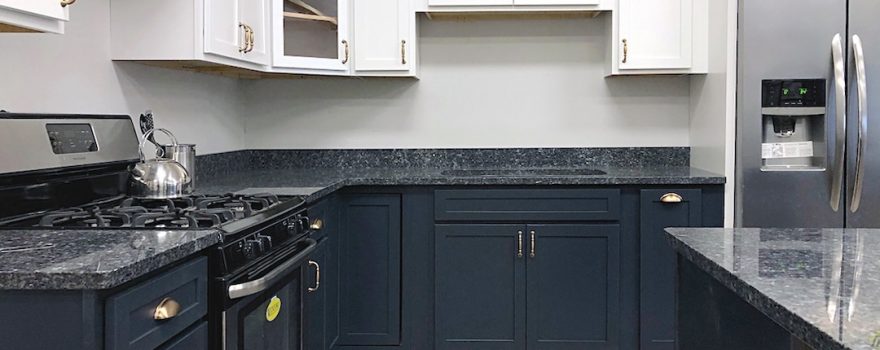
TL;DR: Two-tone kitchen cabinet color combinations are everywhere right now, and for good reason — pairing the right finishes adds dimension, hides wear, and makes a kitchen feel custom without a custom budget. The classics still work (white perimeter with a wood or navy island, warm white with deep green, light gray with black accents), but the real key is balancing light and dark, matching undertones, and tying everything back to your countertops and floor. A handful of proven pairings keep a kitchen feeling timeless rather than trendy.
Thinking through your cabinet colors? Reach out to Builders Surplus or call 866-739-1636 — our team can walk you through samples and finishes that fit your kitchen and budget.
Why Kitchen Cabinet Color Combinations Are Trending
For years, all-white kitchens dominated. They’re still beautiful, but more homeowners across Rhode Island, Connecticut, and Massachusetts are reaching for kitchen cabinet color combinations that bring warmth, contrast, and a bit more personality to the room. Two-tone setups break up a long run of cabinetry, draw the eye to the island, and give you room to incorporate trending finishes without committing the entire kitchen to one bold color. They also wear better — darker bases and islands hide scuffs and toe-kick marks that a fully white kitchen shows immediately.
Need help picking your palette? Stop by Builders Surplus or call 866-739-1636. Here at Builders Surplus, our expert team loves helping homeowners pick quality cabinets that look polished from day one and age beautifully.
Start with the Light-and-Dark Balance
Almost every successful kitchen cabinet color combination follows the same underlying rule: balance light and dark in a way that flows with the room. A kitchen with too much dark cabinetry can feel cave-like. Too much white can feel sterile. The sweet spot is usually about 70 percent of one tone (typically lighter, on the perimeter cabinets) and 30 percent of the other (usually darker, on the island or lower cabinets). If your kitchen gets a lot of natural light, you can lean darker. If it’s smaller or north-facing, lean lighter overall.
Five Classic Cabinet Color Pairings That Always Work
1. White Perimeter with a Wood-Tone Island
The current quiet favorite. Crisp white uppers and base cabinets around the perimeter, with a warm white oak, walnut, or rift-cut island in the middle. The wood brings warmth and texture without forcing you to commit to a saturated color, and it pairs beautifully with quartz or marble counters.
2. Warm White with Deep Green
Soft, off-white perimeter cabinets with a deep forest or sage green island feel grounded and full of character. Pair with brass or unlacquered antique brass hardware for a touch of warmth that ties everything together. This combination plays especially well in older New England homes — colonials, capes, and farmhouses.
3. Light Gray with Navy or Black
A modern, slightly cooler combination. Light gray perimeter cabinets soften the look while the navy or charcoal island adds depth. Brushed nickel or matte black hardware works in both directions. This pairing reads more contemporary and works well in newer construction or transitional kitchens.
4. Cream with Stained Wood Lowers
An older pairing that’s circling back into style. Cream or off-white upper cabinets with cherry, maple, or honey-toned lower cabinets feel layered and approachable. Stick with a simple shaker cabinet design here so the styling stays clean and the wood does the heavy lifting.
5. All-Wood with a Painted Island
If you love the look of natural wood throughout, flip the script and paint just the island in a contrasting color — black, navy, forest green, even terracotta. The wood perimeter sets a warm tone, and the painted island becomes the room’s focal point.
Match Your Undertones, Not Just the Colors
One of the most common mistakes is pairing two colors that technically should work but clash because their undertones fight. A cool gray and a warm-toned wood can look great — or muddy — depending on the specific shades. Hold paint and stain samples next to each other in your actual kitchen lighting before committing. A few quick guardrails:
- Pair warm whites with warm woods, warm greens, and warm blues; pair cool whites with cool grays, slates, and crisper navy tones.
- Look at the cabinet samples under the same light source you’ll have at night — fluorescent and warm LED bulbs read very differently.
- Lay samples on top of your countertop sample. If anything looks off, the floor, counter, or cabinet color needs to shift.
- When in doubt, choose the slightly more neutral version of any color. You’ll still get the dimension without locking yourself into a trend.
Tie Cabinets to Counters, Floors, and Hardware
Cabinet color decisions never live in isolation. The pairings that look incredible in showroom photos almost always tie the cabinet finishes to a coordinated countertop, floor, and hardware choice. As you narrow your kitchen cabinet color combinations, think about:
- Counters: A white quartz with subtle veining gives you the most flexibility. Bold marble or a dark soapstone shifts the whole palette.
- Floors: Hardwood or wood-look flooring in a mid-tone oak or walnut works with almost every cabinet combination. Very dark floors require lighter cabinets to avoid weighing the room down.
- Hardware: Mixing two finishes is fine (matte black on the island, brushed nickel on the perimeter), but commit to a palette — three or more finishes usually feels random.
- Backsplash: Keep it quieter than your cabinet pairing. If your cabinets are doing the work, a simple white subway or stacked tile lets them shine.
Mistakes That Make Two-Tone Kitchens Fall Flat
- Picking colors based on a Pinterest photo without testing them in your own lighting.
- Choosing two colors that are too close in tone — the contrast disappears and the kitchen looks indecisive.
- Forgetting to consider the ceiling and trim. Both should usually stay a clean, consistent white that ties everything together.
- Going with extremely trendy colors on the perimeter cabinets. Trends fade — and re-painting all your perimeter cabinets is a much bigger project than re-painting the island.
- Adding a third cabinet color into the mix. With rare exceptions, two is the limit.
Bring Your Cabinet Combination to Life
The best kitchen cabinet color combinations don’t follow trends — they balance light and dark, tie back to your counters and floor, and feel like a natural extension of the rest of your home. Whether you’re leaning into a classic white-and-wood pairing or going bolder with deep green or navy, take time with the samples, test them in your lighting, and commit to a palette you’ll still love five years from now. A few affordable kitchen makeover ideas can stretch your budget further once the cabinets are dialed in.
Here at Builders Surplus, our expert team is ready to help you pick cabinets, hardware, and finishes that work together. Stop by one of our locations in Rhode Island, Connecticut, or Massachusetts, reach out online, or call 866-739-1636 for help thinking through your kitchen project.
Frequently Asked Questions
What’s the most popular kitchen cabinet color combination right now?
White perimeter cabinets with a natural-wood island is the most-requested pairing we see — it’s warm, timeless, and works with almost any countertop. Warm white with deep green is a close second, especially in older New England homes.
Should I do the island a different color than the perimeter cabinets?
It’s the most popular two-tone approach for a reason: the island becomes a natural focal point, and a darker or wood-toned island hides scuffs that white cabinets show immediately. Just make sure the two tones balance well together in your specific lighting.
Will trendy cabinet colors look dated in five years?
Saturated, very-of-the-moment colors (think bright coral or millennial pink) tend to age fast. Classic pairings — white-and-wood, white-and-navy, cream-and-cherry — have stayed in rotation for decades and aren’t going anywhere. If you want a trendy color, put it on the island so you can repaint it later without redoing the whole kitchen.
How do I match my cabinet colors to the rest of my house?
Use your existing wall colors, flooring, and trim as a starting point. If your home leans warm (oak floors, cream walls), pick warm cabinet tones. If it leans cool (gray floors, crisp white walls), pick cooler tones. Consistent undertones make the kitchen feel like part of the home, not bolted on.
Where can I find quality kitchen cabinets in different colors and finishes?
Here at Builders Surplus, we carry a wide selection of kitchen cabinets in painted, stained, and natural finishes — all at prices that beat the big-box chains. Contact us online or call 866-739-1636 to talk through your color combination.