
Windows
What Sets the Best Replacement Windows for Old Homes Apart from Standard New-Build Specs
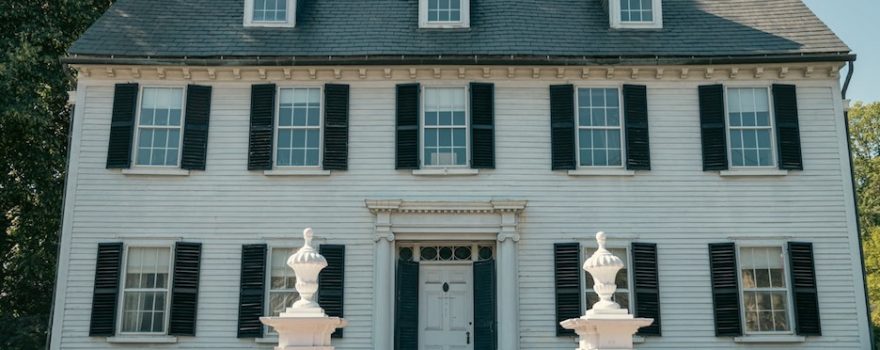
TL;DR: The best replacement windows for old homes preserve the architectural character — proportions, grid patterns, sash details — that make the home feel original while delivering modern energy performance. That usually means custom-sized windows, simulated divided lite grids, and wood or aluminum-clad wood frames. Sash kits and storm windows can extend the life of original sashes when full replacement isn’t the right call.
Planning windows for an older home? Reach out to Builders Surplus or call 866-739-1636 — our team will help you spec windows that fit the home and the budget.
Why the Best Replacement Windows for Old Homes Aren’t Just Smaller New-Build Windows
Walk past any colonial, cape, Victorian, or Greek Revival across Rhode Island, Connecticut, or Massachusetts, and the windows are doing real architectural work. Six-over-six grids, narrow muntins, and deep sashes set into thick walls aren’t decorative details — they’re what makes the house read original. The best replacement windows for old homes use proportions, materials, and grid patterns that match what was originally there, paired with modern glass and weather sealing that the originals could never deliver.
Need help spec’ing for an older home? Stop by Builders Surplus or call 866-739-1636. Here at Builders Surplus, our team helps homeowners pick replacement windows that suit older New England houses without flattening their character.
Start with the Right Sash Style and Proportions
The single biggest mistake we see in old-home window replacement is matching the rough opening but ignoring the visible proportions. Original windows in colonials and capes typically have narrow sashes, narrow check rails, and grid patterns that vary by era. Stock new-construction windows are generally wider and chunkier — drop them into an old opening and the house instantly reads “updated in the 1990s.” A few proven moves:
- Match the original sash style — double-hung is by far the most common in older New England homes.
- Match the original grid pattern: 6-over-6 for many 18th-century colonials, 6-over-1 or 1-over-1 for later styles, 2-over-2 for Victorians.
- Choose narrower sash and muntin profiles where possible. Some manufacturers offer “historic” lines with thinner sightlines.
- Photograph the existing windows from the street and from inside before they come out.
Custom Sizes Are the Rule, Not the Exception
Window sizes weren’t standardized until the mid-20th century. Original openings in older homes commonly fall between modern stock sizes. Forcing a stock window into a non-standard opening means awkward filler trim, drafts, and visible gaps. Custom-sized windows from a quality manufacturer are usually only modestly more expensive than stock and dramatically more correct. The home renovation planning guide covers how to time orders so windows are on site when the framers and siding crews need them.
Compare Frame Materials with the Old House in Mind
Material affects how the window looks, how long it lasts, and how it ages alongside an older home.
Wood
The traditional and most authentic choice. Real wood interiors with primed or pre-painted exteriors look right on every era of old homes. Trade-off: exterior wood needs repainting every 7 to 12 years to prevent rot.
Aluminum-Clad Wood
Wood interior bonded to a low-maintenance aluminum exterior — the current go-to for high-end old-home replacements. You keep the warm wood inside and skip the repainting outside. Cost is higher, but the lifespan justifies it.
Fiberglass
Strong, stable, and able to hold narrower sightlines than vinyl. A solid choice when budget rules out aluminum-clad wood. Interior laminates read close to real wood from a few feet away.
Vinyl
The most affordable option. Higher-end vinyl has improved, but sightlines are usually chunkier than wood or fiberglass and the texture reads less authentic up close. Generally not allowed in historic districts.
Get the Grids Right (or Skip Them)
Grid pattern is the visual detail people notice first. Three approaches, ranked from most to least authentic:
- True divided lites (TDL): Individual panes of glass separated by real muntins. Most authentic, most expensive, lowest U-factor performance because each pane is small.
- Simulated divided lites (SDL): Muntins permanently bonded to both sides of an insulated glass unit. Looks nearly identical to TDL from any normal viewing distance, with modern energy performance. The right answer for most old-home replacements.
- Between-glass grids: Plastic grilles sandwiched inside the IGU. Cheapest, but the absence of muntins on the glass surface is obvious up close and immediately reads “replacement window.” Avoid on visible facades.
Energy Performance Without Killing the Look
Modern windows can hit serious energy numbers without sacrificing the look. The ratings to pay attention to:
- U-factor: measures heat loss. Look for 0.27 or lower for Northern climate zones.
- Solar Heat Gain Coefficient (SHGC): around 0.30 to 0.40 in New England balances winter solar gain with summer cooling load.
- Air leakage rating: lower is tighter — meaningful for drafty old houses.
- ENERGY STAR certification: a useful baseline, though many old-home replacements exceed the minimum easily.
When Full Replacement Isn’t the Right Move
Sometimes the best answer isn’t replacement at all. Original wood sashes in pre-1940 homes are often built from old-growth lumber that is denser and more rot-resistant than anything available today. Two preservation paths worth knowing:
Sash Restoration Plus Storm Windows
Repair and weatherstrip the original sashes, then add quality interior or exterior storms. The combined assembly often performs close to a modern replacement window while preserving the original glass, sash, and frame — the right choice for historic districts and owners who value originality.
Tilt-Pack Sash Kits
Insert kits that replace just the sashes within the original frame and jamb. The frame, trim, and exterior detail stay; the new sashes deliver modern energy performance. Faster and cheaper than full replacement when the frame is structurally sound.
Don’t Forget the Trim, Sill, and Casing
A new window installed cleanly is only half the project — the casing, sill, and exterior trim carry as much visual weight as the window itself. On older homes, original interior casing is often wider and more profiled than modern standard trim. Match the original casing profile, or upgrade to it intentionally with quality moulding. A new window with builder-grade flat casing on an old home reads instantly wrong.
Historic Districts and Other Local Requirements
Plenty of older New England neighborhoods sit inside designated historic districts. If your home falls inside one, replacement window choices may be regulated — wood may be required, grid patterns may need to match the original, and projects often require approval from a historic district commission before work begins. Check with your local commission or town hall before ordering. Replacing windows that don’t comply can result in being required to remove them — an expensive lesson.
Get Windows That Earn Their Place in the House
The best replacement windows for old homes do more than fit the rough opening — they fit the house. Pick the right sash style and grid pattern, order custom sizes, match frame material to the home’s era, and treat the surrounding trim with the same care as the window itself. Done well, replacement windows make an older home tighter, quieter, and more efficient without erasing the character that made it worth restoring.
Here at Builders Surplus, our expert team is ready to help you spec windows that respect older New England homes. Stop by one of our locations in Rhode Island, Connecticut, or Massachusetts, reach out online, or call 866-739-1636 to talk through your window project.
Frequently Asked Questions
Should I always replace original windows in an old home?
No. Original pre-1940 wood sashes often outperform expectations once they’re weatherstripped and paired with quality storm windows. If the frame is structurally sound and the original glass is intact, restoration plus storms can be the right move — especially in historic districts.
Is vinyl ever appropriate on an old home?
Higher-end vinyl windows can work on older homes outside historic districts, particularly when budget rules out wood or aluminum-clad wood. Be aware that vinyl sightlines tend to be chunkier than wood, and the texture reads less authentic up close. Historic districts typically restrict vinyl.
How much do quality old-home replacement windows cost?
Custom-size aluminum-clad wood typically runs $700 to $1,500 per window installed; high-end wood and true-divided-lite options push higher. Fiberglass and quality vinyl run $400 to $900 installed.
Will new windows look out of place on an old house?
Only if the wrong product is specified. Custom sizes, period-appropriate grids, and wood or aluminum-clad wood frames give old home windows a look that makes them appear original from the street.
Where can I find quality replacement windows for an older home?
Here at Builders Surplus, we carry a wide selection of replacement windows in wood, aluminum-clad wood, fiberglass, and quality vinyl — at prices that beat the big-box chains. Contact us online or call 866-739-1636 to talk through your project.
Photo by Banx Photography on Pexels