
Decking
Deck Skirting Ideas That Polish Off the Underside of Your Outdoor Space
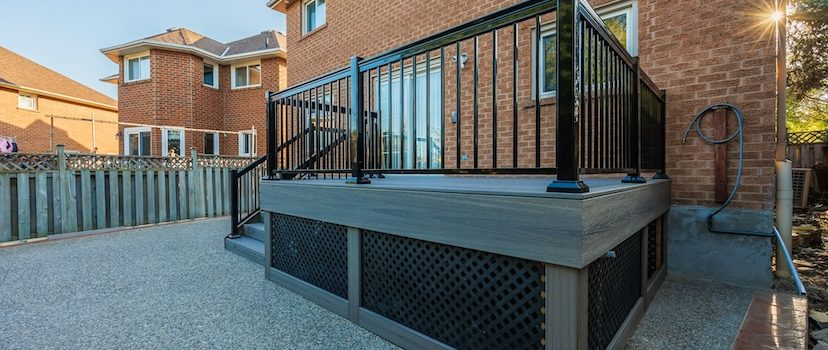
TL;DR: The right deck skirting ideas finish a deck the way good trim finishes a room — they hide the framing, the dirt, and the stored stuff under the deck while tying everything back to the home’s exterior. Vertical wood boards, lattice, horizontal slats, stone veneer, and composite panels all work, with different price points and different looks. Whatever material you pick, plan for ventilation, access panels, and water management so the skirting doesn’t trap moisture against your framing.
Ready to finish your deck? Reach out to Builders Surplus or call 866-739-1636 — our team will help you pick skirting materials that match your home.
Why Deck Skirting Ideas Are Worth Real Thought
Deck skirting is the trim that closes off the gap between the deck surface and the ground below. It’s also the detail that most homeowners ignore entirely — leaving the underside open, exposing framing, plumbing, and stored junk to anyone walking past. Smart deck skirting ideas finish off the deck visually, keep the underside out of view, deter animals from making homes in there, and protect the structure from sun, debris, and weather. Across Rhode Island, Connecticut, and Massachusetts, where decks can sit two to six feet above grade depending on slope, the right skirting can be the difference between a deck that looks finished and a deck that looks half-built.
Want help picking materials? Stop by Builders Surplus or call 866-739-1636. Here at Builders Surplus, our team helps homeowners pick outdoor materials — decking, railing, and skirting — that come together as one coordinated build.
Match the Skirting Material to Your Deck and Home
Five main material options cover most of the deck skirting world, each with its own sweet spot.
Vertical Wood Boards (Traditional Look)
Cedar, pressure-treated pine, or PVC boards installed vertically with a small gap between each board (1/4 to 3/8 inch) for ventilation. Classic, works on almost any home style, and easy to stain or paint to match the home’s trim. Cedar and PVC outlast pressure-treated pine without staining or fading.
Horizontal Slat Skirting (Modern Look)
Horizontal boards or slats, often with consistent gaps between them. Reads more contemporary and pairs especially well with black aluminum railings and composite decking. Tends to feel especially right on modern farmhouses and contemporary builds.
Lattice (Affordable Classic)
Wood or vinyl lattice panels framed into the deck structure. The most affordable option, and the most ventilation-friendly — but lattice can read busy and dated if it’s the wrong scale or material. Stick with larger-diamond, painted-white lattice on traditional homes.
Stone or Brick Veneer
Faux stone, brick, or stucco veneer over a stud-and-substrate base creates the look of a built-in stone foundation. The most expensive option but visually dramatic — especially on homes with stone elements elsewhere on the exterior. Requires careful detailing to handle ventilation and water management.
Composite Skirting Panels
Composite manufacturers make matching skirting panels designed to coordinate with their decking and railing systems. The fastest path to a finished, low-maintenance look — pairs naturally with composite decking and Transcend railing systems for a top-to-bottom matched aesthetic.
Match the Skirting to Your Home’s Architecture
Skirting is the deck detail most likely to clash with the rest of the house. A few rules of thumb for New England homes:
- Colonials and capes: Painted vertical wood boards or simple white lattice, matched to the home’s trim color.
- Modern farmhouses: Black or dark-stained horizontal slats, or simple board-and-batten skirting.
- Craftsman bungalows: Stained vertical cedar or composite, often with a stone base.
- Contemporary homes: Horizontal slats with consistent gaps, or stone veneer.
- Older Victorians: White-painted lattice, sometimes with a decorative scrolled top edge.
Don’t Trap Moisture Under the Deck
The single biggest mistake in deck skirting is sealing the underside completely. The space below a deck needs to breathe — without airflow, moisture builds against the framing and accelerates rot. Whatever material you pick, plan for:
- Continuous ventilation gaps (top and bottom, or distributed across the skirting face).
- An access panel — a hinged or removable section of skirting for getting under the deck for repairs, maintenance, or storage.
- Drainage at the base of the skirting so water doesn’t pool against the bottom.
- Treated or rot-resistant framing behind the skirting itself.
- A few inches of clearance between the bottom of the skirting and the ground or hardscape below.
Use the Space Behind the Skirting
Once you’ve skirted the deck, the space underneath becomes usable storage — and that’s worth designing intentionally. Common uses:
- Outdoor storage for patio furniture cushions, garden tools, or recreational gear (kayaks, bikes).
- Firewood storage near a back door — out of the weather, easy access.
- Trash and recycling bin storage that hides the bins from street view.
- A planted bed along the front edge of the skirting to soften the line.
If you’re using the space for storage, the access panel matters more than usual. Plan it for the size of what you’re storing — a kayak access panel needs to be substantially larger than a firewood one.
Coordinate Skirting with Railings, Posts, and Stairs
A deck reads as designed when the skirting, railings, posts, and stairs share a coordinated finish. Mismatched components — white skirting, black railings, natural-wood stairs — almost always look like phases of work that never got tied together. A few coordination moves:
- Pick one accent color (the dark color) and one base color (usually white or the home’s trim color), then use them consistently across skirting, railings, fascia, and stair risers.
- Match the post wraps to the skirting material — wrapped 6×6 posts in the same material as the skirting reads especially clean.
- Carry the skirting style around the stair risers if it works structurally; otherwise paint or stain risers to match the skirting tone.
- Coordinate the deck fascia (the rim board around the top edge of the framing) with the skirting color and finish.
Finish the Deck the Way It Deserves
Good deck skirting ideas turn a deck from a feature into a finished part of the home. The right material for your home’s architecture, a clean ventilation plan, a thoughtful access panel, and a coordinated finish across skirting, railings, and stairs — together that’s the difference between a deck that looks built and a deck that looks designed. Whatever material you pick, plan it the way you’d plan any other piece of the home’s exterior.
Here at Builders Surplus, our expert team is ready to help you compare skirting, decking, and railing materials. Stop by one of our locations in Rhode Island, Connecticut, or Massachusetts, reach out online, or call 866-739-1636 to talk through your deck project.
Frequently Asked Questions
Is deck skirting required by code?
Not in most jurisdictions, but some towns require it on decks above a certain height for safety reasons (preventing children or animals from getting underneath). Check with your local building inspector before assuming it’s optional.
How tall should deck skirting be?
Skirting typically runs from the deck framing down to within a few inches of grade — close enough to hide the underside but with enough clearance to drain water and avoid contact with wet ground. On steep slopes, the skirting height will vary across the deck.
Will skirting trap moisture and damage my deck framing?
Only if it’s installed without ventilation. Continuous airflow through the skirting (gaps between boards, distributed vents, or a continuous top/bottom vent strip) prevents moisture buildup. Solid sealed skirting is the wrong move.
Can I install skirting myself?
Most skirting projects are DIY-friendly if you’re comfortable with a circular saw, drill, and basic measuring. Stone veneer is more involved and often worth hiring out. Either way, build a sub-frame behind the skirting and don’t fasten directly to the deck framing.
Where can I find quality deck skirting materials and matching components?
Here at Builders Surplus, we carry outdoor materials including composite decking and Transcend railing kits that coordinate top-to-bottom. Contact us online or call 866-739-1636 to talk through your deck project.
Photo by Proper Construction on Unsplash