
Doors
French Doors vs Sliding Doors: Which Patio Door Is Right for Your Home?
TL;DR: French Doors vs Sliding Doors at a Glance
Choosing between French doors vs sliding doors comes down to four things: space, light, budget, and style. Sliding doors cost less ($800–$3,500 installed), need zero swing clearance, and give you the most glass. French doors cost more ($1,500–$5,000 installed) and need room to swing, but they offer a wider clear opening, classic New England curb appeal, and a stronger resale story. Neither is “better” — one is simply better for your room.
What’s the Difference Between French Doors and Sliding Doors?
Both are glass patio doors that connect your indoor space to a deck, patio, or backyard — but they operate in completely different ways.
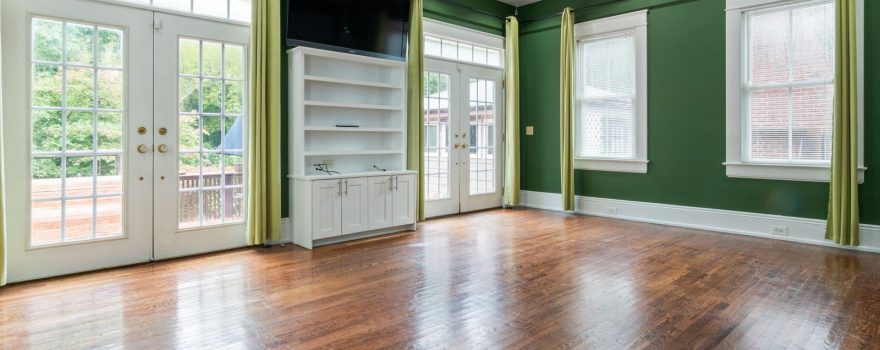
French doors are a pair of hinged doors that swing open from the center, either inward or outward. They’re mostly glass, framed in wood, fiberglass, or vinyl, and when both panels are open you get one wide, unobstructed opening.
Sliding doors (also called sliding glass doors or gliding doors) move horizontally along a track. One panel typically slides behind a fixed panel, so only half the opening is ever usable — but the door never takes up an inch of floor space.
That single mechanical difference — swing vs. slide — drives almost every other tradeoff between the two.
Weighing your options in person is easier. Browse our exterior and patio doors, or reach out to Builders Surplus with your questions — you can also give us a call at 866-739-1636.
French Doors vs Sliding Doors: Cost Comparison
Sliding doors are the budget-friendly option in almost every matchup. Here’s what each typically costs installed:
| Door Type | Typical Cost Installed |
| Two-panel sliding door (standard) | $800–$2,500 |
| Three-panel sliding door | $1,500–$3,500 |
| Standard French doors | $1,500–$3,500 |
| Premium French doors (wood, custom) | $3,500–$5,000+ |
| Labor only, sliding (replacement install) | $400–$850 |
| Labor only, French doors | $500–$1,200 |
Why the gap? French doors have two operating panels, two sets of hinges, weatherstripping on more edges, and a more involved installation. Sliding doors have one moving panel on a track and usually drop into a standard rough opening.
Keep in mind these are national ranges — here in New England, labor rates tend to push installed prices toward the upper end. Buying the door itself at surplus pricing is one of the easiest ways to claw that back.
How They Compare, Factor by Factor
Space Requirements
This is the deciding factor for most homeowners. French doors need 5 to 6 feet of clear floor space for the panels to swing. If your dining table, kitchen island, or sofa sits near the opening, that clearance disappears fast. Sliding doors need none — which is why they dominate in smaller rooms, condos, and kitchens where every square foot counts.
Natural Light and Views
Sliding doors win on glass area. A slider can be up to 90 percent glass, with slim frames and no center stile interrupting the view. French doors are typically 60 to 75 percent glass because of their wider frames and the meeting point between panels. If your patio door faces a backyard view you love, that difference is noticeable.
The Opening Itself
French doors win here. Open both panels and you get the full width of the frame — perfect for entertaining, moving furniture, or carrying a loaded grill platter through without turning sideways. A sliding door only ever opens to half its total width.
Energy Efficiency
Modern versions of both perform well, but sliding doors have a slight edge in design: fewer seams and joints mean fewer places for air to leak. French doors rely on weatherstripping along every swinging edge, which needs to stay in good condition to seal tightly. For cold New England winters, whichever style you choose, prioritize low-E double-pane glass and a quality frame — that matters more than the operating style. Our guide to energy saving home improvements covers what else moves the needle.
Style and Curb Appeal
French doors bring traditional character that suits colonials, capes, and farmhouses — the classic New England housing stock. Sliding doors read cleaner and more modern, and they suit ranches, contemporary builds, and mid-century homes. Neither is wrong; it’s about matching the architecture you have.
Security and Durability
Both are secure when properly equipped. French doors use multi-point deadbolt locks like an entry door. Sliding doors have improved dramatically from the lift-off-the-track sliders of decades past — modern units use multi-point track locks and reinforced frames. Track maintenance is the main long-term chore for sliders; hinge and weatherstripping upkeep is the equivalent for French doors.
Which One Should You Choose?
A few quick scenarios to make it concrete:
- Tight room, furniture near the door: Sliding door. No swing clearance needed.
- Wide opening onto a deck you entertain on: French doors. The full-width opening earns its keep.
- Maximizing a great view: Sliding door. More glass, fewer interruptions.
- Traditional home where character matters: French doors. They look like they belong.
- Firm budget: Sliding door. You’ll typically save $700 or more installed.
- Can’t decide? Look at sliding French-style doors — sliders built with wider, traditional stiles that split the difference.
If you want a broader look at the options beyond these two, our guide to the types of patio doors walks through the full lineup.
Final Thoughts on French Doors vs Sliding Doors
The French doors vs sliding doors decision usually makes itself once you look honestly at your space. Measure the swing clearance, think about how you actually use the opening day to day, and let the room — not the showroom — pick the door. Either way, the quality of the glass, frame, and installation will matter more to your comfort over the next twenty years than which direction the door moves.
Find Quality Patio Doors at Builders Surplus
At Builders Surplus, we stock exterior and patio doors at surplus prices, so you can get the door you actually want without the big-box markup. Stop by one of our locations in Rhode Island, Connecticut, and Massachusetts to see French and sliding doors in person, reach out to Builders Surplus online, or call us at 866-739-1636 — our team is happy to help you compare options for your project and your budget.
FAQ: French Doors vs Sliding Doors
Are French doors or sliding doors cheaper?
Sliding doors are cheaper in most cases. A standard two-panel sliding door runs $800 to $2,500 installed, while French doors typically cost $1,500 to $5,000 installed. The gap comes from French doors’ two operating panels, additional hardware, and more involved installation.
Do French doors add more value than sliding doors?
French doors often carry a slight edge at resale, especially on traditional homes where they match the architecture. That said, a quality modern sliding door on the right house is just as much of a selling point — condition and fit matter more than door style alone.
Are sliding doors more energy efficient than French doors?
Slightly, all else being equal. Sliding doors have fewer seams and weatherstripped edges, so there are fewer paths for air leakage. But glass package and frame quality matter far more — a low-E, double-pane French door will outperform a builder-grade slider every time.
Can you replace a sliding door with French doors?
Yes. Standard sliding door openings (72 inches wide) accommodate most French door units, so it’s usually a straightforward swap. Just confirm you have the interior clearance for the panels to swing — that’s the constraint that surprises people.
Which is more secure, French doors or sliding doors?
Both are secure with modern hardware. French doors use multi-point deadbolts like an entry door, while today’s sliding doors use multi-point track locks and reinforced frames that solve the weaknesses older sliders had. Whichever you choose, the lock hardware matters more than the door style.
Photo by Curtis Adams