
Interior
How Garage Storage Cabinets Quietly Solve the Most Cluttered Room in the House
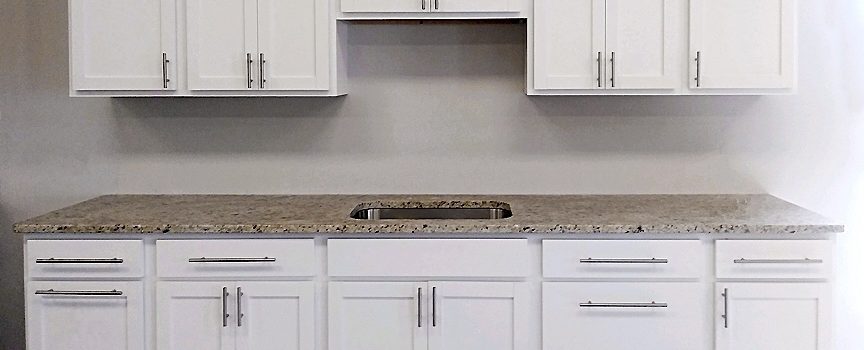
TL;DR: Garage storage cabinets do for the garage what kitchen cabinets do for the kitchen — they take a chaotic, multipurpose space and make it function. The right cabinets handle heat, cold, humidity, and the heavy stuff that lives in a garage without complaint. Steel and quality wood cabinets both work; cheap melamine and plastic usually don’t. Plan around how the garage actually gets used, anchor wall cabinets to studs, and leave room for the cars (or whatever the garage actually houses).
Ready to organize the garage? Reach out to Builders Surplus or call 866-739-1636 — our team will help you spec cabinets that fit your garage and budget.
Why Garage Storage Cabinets Are the Best Single Garage Upgrade
Most garages in Rhode Island, Connecticut, and Massachusetts started life as a single-purpose space and accumulated about four other jobs over the years — workshop, sports gear locker, holiday-decoration archive, recycling sorting station, and (sometimes) actual car parking. The single most effective upgrade for almost every garage is real cabinetry. Garage storage cabinets get items off the floor, off open shelves, and out of the open plastic bins that always seem to multiply. Done well, cabinets recover floor space, hide visual clutter, and make the garage actually usable for what it’s supposed to do.
Want help picking cabinets? Stop by Builders Surplus or call 866-739-1636. Here at Builders Surplus, our team helps homeowners spec cabinets for kitchens, mudrooms, and garages — usually at significantly better prices than the big-box chains.
Steel vs. Wood vs. Plastic: Pick the Right Material
Three main material categories cover the garage cabinet world. Each has a sweet spot.
Steel Cabinets
Powder-coated steel cabinets are purpose-built for garage life — they shrug off humidity, hold heavy loads, won’t warp with temperature swings, and look industrial in a good way. The best lines come with adjustable shelves, heavy hinges, and locking doors. Trade-off: they’re the most expensive option and the look isn’t right for everyone.
Wood Cabinets (Including Repurposed Kitchen Cabinets)
Quality plywood-box cabinets with hardwood or thermofoil faces work well in a garage as long as the garage isn’t subject to severe humidity swings. The often-overlooked move: use kitchen cabinets in the garage. They cost less than “garage-specific” cabinets, look more finished, and are sized the same as everything else in the home. Shaker cabinet design in a paint-grade finish translates beautifully into garage use.
Melamine and Plastic
The cheapest options at the big-box stores. Melamine boxes don’t tolerate humidity well — edges swell and faces warp. Plastic cabinets are fine for very light-duty use but won’t hold the heavier things most garages actually need to store. Skip both unless budget is the absolute constraint.
Wall-Mounted vs. Freestanding
Both have a place in most garages. Wall-mounted cabinets get heavy items off the floor and protect them from a wet floor after a storm. Freestanding cabinets often have larger interior volumes and can be re-arranged as the garage evolves. The strongest setups usually combine both:
- Wall-mounted uppers along one or two walls for tools, hardware, paint, and lighter items.
- Tall freestanding lockers in the corners for long items — brooms, rakes, fishing rods, skis.
- Base cabinets below the wall cabinets with a worktop counter spanning them for projects.
- Open shelving above or between cabinets for items used constantly.
- Heavy-duty hooks and pegboards in the gaps for tools you grab daily.
Anchor Wall Cabinets Properly
More garage cabinet failures come from poor anchoring than from the cabinets themselves. A wall cabinet loaded with paint cans and tools is heavy, and a cabinet fastened only into drywall will fail — often dramatically. Always:
- Fasten through the cabinet’s mounting rail into wall studs with appropriate-length lag screws or structural screws.
- Confirm stud locations with a stud finder and verify with a small pilot hole if you’re uncertain.
- Use a continuous ledger board behind a run of cabinets to spread the load evenly across multiple studs.
- Avoid mounting cabinets to the inside face of an exterior wall in an unheated garage if humidity is a problem.
- Check that the floor below is level before mounting — out-of-plumb cabinets are obvious and hard to fix later.
Plan Around How the Garage Actually Gets Used
The best garage layouts come from inventorying what the garage really stores. A couple of zones almost every garage benefits from:
- A tool zone — pegboard or French cleat wall plus a small base cabinet for hand tools and a worktop for repairs.
- A bulk-storage zone — tall cabinets for lawn and garden tools, sports equipment, and seasonal items.
- A chemical-storage zone — a locking cabinet for paint, solvents, fertilizers, and ice melt, kept away from heat sources.
- A daily-grab zone near the entry door for coats, hats, recycling bins, and shoes.
- Open space for the cars or whatever the garage actually houses — measure twice before building in too much.
If the garage has a man door into the house, take a hard look at that door too — most builder-grade garage-to-house doors are flimsy and not up to current code. A solid-core or steel interior door is a small upgrade that completely changes how the door feels every time you use it.
Don’t Forget Climate, Light, and Power
A few details that turn an organized garage into a usable garage:
- Insulation: An uninsulated garage swings 50 degrees through the year — paint cans freeze in winter, electronics struggle in summer. Insulating the walls and ceiling is the single biggest comfort upgrade.
- Lighting: One overhead fixture is rarely enough. Add LED shop lights and under-cabinet task lighting over the workbench area.
- Outlets: Run additional GFCI outlets along the back wall and over the workbench. You always need more than you think.
- Heat: A small wall-mounted electric or propane heater extends the garage’s usability from late fall into early spring.
- Ventilation: Garages can build up exhaust fumes, paint fumes, and humidity. A basic exhaust fan or operable window earns its keep.
Take the Garage Back
Garage storage cabinets are one of the few upgrades that genuinely change how a household functions — clutter disappears, items can actually be found, and the garage gets back to doing whatever it’s actually for. Pick cabinets built for the conditions (steel or quality plywood), anchor them properly, plan the layout around how the garage really gets used, and skip the budget melamine boxes that can’t handle a New England summer. The payoff shows up every single day.
Here at Builders Surplus, our expert team is ready to help you spec cabinets, doors, and finish details. Stop by one of our locations in Rhode Island, Connecticut, or Massachusetts, reach out online, or call 866-739-1636 to talk through your garage project.
Frequently Asked Questions
Can I use kitchen cabinets in my garage?
Yes — quality plywood-box kitchen cabinets work great in most garages. They often cost less than “garage-specific” cabinets and look more finished. Confirm the garage isn’t subject to severe humidity swings (uninsulated garages in extreme climates can be tough on wood cabinetry).
How much weight can garage cabinets hold?
Quality steel cabinets typically rate 100 to 200 pounds per shelf. Plywood-box wood cabinets handle 50 to 100 pounds per adjustable shelf. Whatever the rating, the limit is usually the wall anchoring, not the cabinet itself — properly stud-mounted cabinets perform better than the spec sheet.
Should I lock my garage cabinets?
Lock the cabinet that holds chemicals, paint, sharp tools, and anything else you don’t want children or pets reaching. The rest is personal preference — locking everything adds friction to daily use.
Wall-mounted or freestanding — which is better?
Most well-designed garages use both. Wall-mounted uppers get items off the floor. Freestanding tall cabinets handle long items and provide flexibility. Combine them with a continuous worktop counter for the best of all three.
Where can I find quality cabinets for a garage?
Here at Builders Surplus, we carry kitchen and utility cabinets that work beautifully in garages — at prices that beat the big-box chains. Contact us online or call 866-739-1636 to talk through your project.