
Flooring
Bring Your Floors Back to Life: A Homeowner’s Guide to Hardwood Floor Refinishing
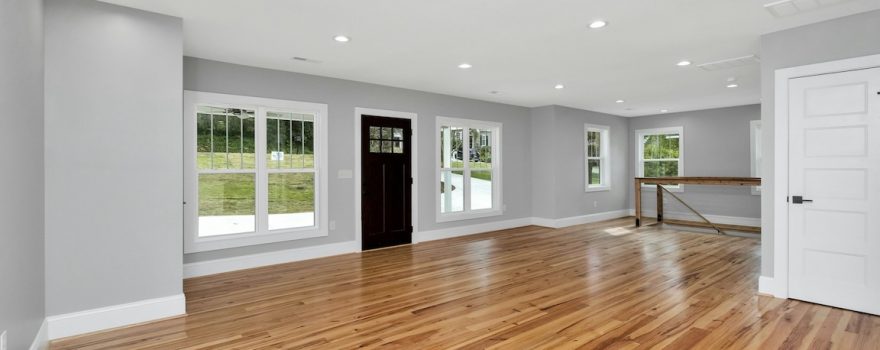
TL;DR: Hardwood Floor Refinishing
Hardwood floor refinishing means sanding the floor down to bare wood, repairing damage, applying stain if you want a new color, and sealing it with several coats of protective finish. It typically costs $3 to $8 per square foot when done by a professional, and far less than replacing the floor. Refinish when you see deep scratches, gray or worn areas, or water damage. If the wear is only in the finish, a simpler screen-and-recoat may be enough. Solid hardwood can be refinished many times over its life, while engineered hardwood can usually be refinished only once or twice.
Signs Your Floors Need Refinishing
Hardwood is built to last generations, but its finish isn’t. Here’s how to tell what your floors need:
- Deep scratches and gouges that go through the finish into the wood
- Gray or dark patches where the finish has worn away and the wood is exposed
- Water damage or stains that have soaked into the boards
- Uneven color from sun fading or old, yellowed finishes
- Water soaks in instead of beading when you drip a little on the floor
If your floors just look dull with light surface scratches, you may only need a screen and recoat, where the top layer is lightly buffed and a fresh coat of finish is applied. It’s faster and cheaper than full refinishing.
Refinishing is also the perfect time to fix other problems. Our guides on how to fill gaps and cracks in hardwood floors and how to replace hardwood floor planks walk you through common repairs.
Need replacement boards or thinking about new floors? Browse our hardwood flooring selection, or reach out to Builders Surplus with your questions. You can also give us a call at 866-739-1636.
Refinish, Recoat, or Replace?
| Option | What It Involves | Typical Cost | Best For |
| Screen and recoat | Buff top finish, add a fresh coat | $1–$2.50 per sq ft | Dull floors, light surface scratches |
| Full refinishing | Sand to bare wood, stain, seal | $3–$8 per sq ft | Deep scratches, worn spots, color change |
| Replacement | Remove and install new flooring | $6–$25 per sq ft | Severe water damage, too-thin boards, layout change |
Prices are general national ranges. New England labor rates often run toward the higher end. Even so, refinishing usually costs a fraction of replacement.
The Hardwood Floor Refinishing Process
Whether you hire a pro or tackle it yourself, the steps are the same:
- Clear and prep the room. Remove furniture, rugs, and window treatments. Pull off quarter round or shoe moulding, set protruding nails, and seal doorways and vents with plastic to contain dust.
- Sand the floor. Use a drum or orbital floor sander, working through progressively finer grits, usually 36 or 40, then 60, then 80 to 100. Use an edger along the walls and a scraper in corners.
- Repair and fill. Fill gaps, cracks, and nail holes with wood filler, then sand smooth.
- Clean thoroughly. Vacuum everything, including walls and windowsills, and wipe the floor with a tack cloth. Any dust left behind ends up in your finish.
- Stain (optional). Apply stain evenly with the grain and wipe off the excess. Test colors on a sanded board or hidden area first.
- Apply finish. Roll or brush on two to four coats of polyurethane, lightly buffing between coats for adhesion.
- Let it cure. Allow light foot traffic after 24 to 48 hours and wait about a week before returning rugs and heavy furniture.
For more detail on removing old finishes, see our guide on how to strip hardwood floors.
Choosing a Stain and Finish
The finish you pick affects how your floors look, how long the project takes, and how well they hold up:
- Oil-based polyurethane gives a warm, amber glow and excellent durability, but it has a strong odor and takes longer to dry, often 8 to 24 hours between coats.
- Water-based polyurethane dries clear and fast, typically 2 to 4 hours between coats, with low odor. It’s great if you want to keep a lighter, natural look.
- Hardwax oil soaks into the wood for a natural, matte feel and allows easy spot repairs, but it needs more frequent maintenance.
For sheen, satin is the most popular choice because it hides scratches and dust better than gloss. Popular stain trends lean toward natural and light tones, but classic warm browns never go out of style in New England homes.
Seasonal tip: Humidity affects drying and curing. Late spring and early fall are ideal for refinishing in Rhode Island, Connecticut, and Massachusetts, when you can open windows for ventilation without extreme heat, humidity, or cold.
DIY vs Hiring a Pro
DIY hardwood floor refinishing can save a lot on labor, and renting a sander is affordable. But it’s a demanding project. Drum sanders are powerful, and one moment of hesitation can gouge the floor. If you’re DIYing, practice in a closet or less visible room first, keep the sander moving, and follow the grain.
Consider a professional if your floors are engineered hardwood with a thin wear layer, have extensive damage, or cover a large area. Pros also use dust-containment equipment that makes cleanup much easier.
Keeping Your Refinished Floors Beautiful
Protect your investment with a few easy habits: add felt pads under furniture legs, use doormats at entrances, sweep or vacuum regularly, and clean with a hardwood-specific cleaner rather than water and vinegar. Our tips on how to clean prefinished hardwood floors apply to refinished floors too. Keeping indoor humidity between 35 and 55 percent through New England winters also helps prevent gaps and cracks.
Final Thoughts on Hardwood Floor Refinishing
Hardwood floor refinishing is one of the best-value upgrades you can make to your home. For a fraction of the cost of new flooring, you get floors that look brand new, with the character only real hardwood offers. Assess the damage, pick the right finish, and choose whether to DIY or hire out, and your floors can shine for decades more.
Find Hardwood Flooring at Builders Surplus
Whether you need boards to patch damaged areas, new moulding to finish the job, or you’ve decided it’s time for a whole new floor, Builders Surplus has quality hardwood flooring and moulding at surplus prices. Visit one of our locations in Warwick, West Warwick, and Central Falls, RI; Jewett City, CT; and Lunenburg, MA to see it in person. You can also reach out to Builders Surplus online or call us at 866-739-1636. Our team is happy to help with your project.
FAQ: Hardwood Floor Refinishing
How much does hardwood floor refinishing cost?
Professional refinishing typically costs $3 to $8 per square foot, so about $1,500 to $4,000 for a 500-square-foot area. A screen and recoat costs less, usually $1 to $2.50 per square foot.
How long does it take to refinish hardwood floors?
Most rooms take three to five days, including sanding, staining, finishing, and drying time. Water-based finishes are faster, while oil-based finishes need more drying time between coats.
How many times can hardwood floors be refinished?
Solid hardwood can usually be refinished six to ten times over its lifespan. Engineered hardwood can be refinished once or twice, depending on the thickness of its wear layer.
Can I stay in my house while floors are being refinished?
With water-based finishes, many people stay home and avoid the work area. Oil-based finishes produce strong fumes, so plan to stay elsewhere for a day or two if possible.
Is it cheaper to refinish or replace hardwood floors?
Refinishing is almost always cheaper, often costing a third to half as much as installing new hardwood. Replacement makes sense mainly for severe water damage or boards that are too thin to sand.
Photo by Zac Gudakov on Unsplash