
Flooring
Hardwood Flooring Installation Tips: A Pro’s Guide to a Flawless Finish
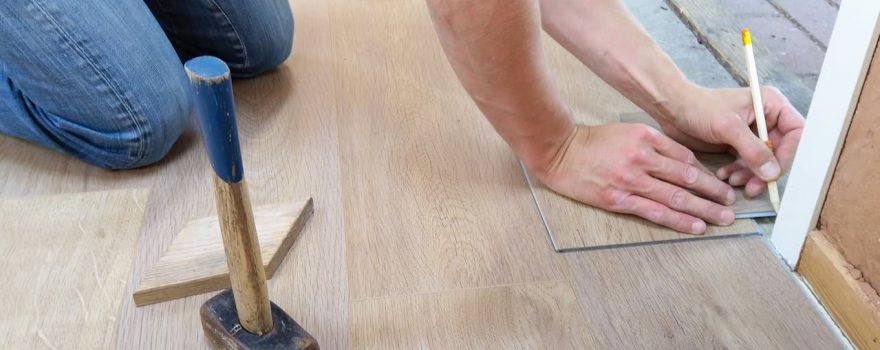
TL;DR:
Planning to install hardwood flooring? Get it right the first time with these essential hardwood flooring installation tips. From prep work to final sealing, we’ll walk you through every stage of the process—plus expert advice to avoid costly mistakes. Ready to get started? Contact Builders Surplus online or visit one of our New England locations.
Easy-to-Follow Hardwood Flooring Installation Tips for DIYers and Pros Alike
Installing hardwood floors can dramatically transform your home’s interior, adding value, warmth, and timeless beauty. Whether you’re a seasoned DIYer or tackling your first major flooring project, it’s critical to plan ahead and follow best practices to ensure a smooth and long-lasting result. These hardwood flooring installation tips will help guide you through the process, step-by-step.
Need help selecting the perfect hardwood for your home? Contact Builders Surplus or call 866-739-1636 to talk with a knowledgeable expert today!
Why Proper Installation Matters
Hardwood floors are an investment. Done right, they can last decades and even increase the resale value of your home. But poor installation can lead to gaps, warping, squeaks, and expensive repairs down the road. That’s why it’s so important to follow time-tested techniques—and avoid shortcuts.
The good news? With the right preparation and a little patience, you can get professional-level results.
1. Choose the Right Type of Hardwood Flooring
Before installation begins, choose the flooring that suits your lifestyle, climate, and subfloor. You’ll typically be deciding between:
- Solid hardwood: Great for durability and can be sanded multiple times. Best installed above grade (not in basements).
- Engineered hardwood: Made of layers of wood for better moisture resistance. A solid choice for basements or areas with fluctuating humidity.
Also consider wood species (oak, maple, birch, walnut), plank width, and finish. Prefinished planks are easier for DIYers, while unfinished options allow for custom staining on-site.
2. Acclimate the Flooring
One of the most overlooked hardwood flooring installation tips is proper acclimation. Wood is a natural material—it expands and contracts with changes in humidity. To avoid cupping or gaps, you need to let the wood adjust to your home’s environment.
Pro Tip:
Stack unopened boxes of hardwood in the room where they’ll be installed. Let them sit for 3–5 days before beginning installation.
3. Prepare the Subfloor
Your subfloor needs to be clean, level, and dry. Remove any old flooring, debris, or protruding nails or staples. For best results:
- Use a moisture meter to test subfloor moisture levels.
- Address any squeaks or loose boards by securing with screws.
- Fill low spots and sand high areas to create a smooth surface.
Remember: an uneven subfloor leads to an uneven final result.
4. Plan Your Layout
Before you make your first cut, spend time planning the layout. Consider:
- Starting in the most visible corner or the longest wall.
- Running boards parallel to the longest wall or main source of light.
- Staggering joints at least 6 inches apart for stability and aesthetics.
Always leave a 1/2” expansion gap around the room’s perimeter. This allows the floor to move with seasonal changes and prevents buckling.
5. Choose the Right Installation Method
Your installation method will depend on the type of hardwood and subfloor you have. The main techniques include:
- Nail down: Best for solid hardwood over a wooden subfloor.
- Glue down: Ideal for engineered hardwood on concrete.
- Floating: Boards snap together and “float” over the subfloor. Great for DIY and allows room for expansion.
Use the correct tools—such as a flooring nailer or tapping block—and follow the manufacturer’s guidelines for spacing and adhesives.
6. Install With Care and Precision
Take your time as you begin laying the boards. Here’s how to stay on track:
- Start with a straight line along the longest wall.
- Use spacers to maintain expansion gaps.
- Check each board for defects before installing.
- Mix planks from different boxes for a more natural look.
Use a tapping block and mallet to snug boards together without damaging them. Make sure each row is tightly aligned before moving on.
7. Cut Around Obstacles Cleanly
Doorways, vents, and irregular walls require precision cutting. Measure twice and cut once using a jigsaw or oscillating tool. Under-cut door jambs so boards can slide neatly underneath for a professional look.
8. Finish Strong With Trims and Transitions
Once your boards are down, install base moulding and transition pieces to cover expansion gaps and create a polished finish. Shoe moulding or quarter round can be used along baseboards, and T-moulding or reducers help bridge different flooring materials.
Avoid nailing trim into the flooring itself—always fasten it to the wall.
9. Clean Up and Protect
Before you move furniture in, thoroughly vacuum and wipe down your new floor. Place felt pads under furniture legs and consider area rugs in high-traffic zones to prevent scratches.
Avoid wet mopping; use a dry microfiber mop or a hardwood floor cleaner recommended by the manufacturer.
10. Monitor Humidity Levels
One final hardwood flooring installation tip? Keep your indoor humidity between 30–50% year-round. Use a humidifier in winter and a dehumidifier in humid months to prevent shrinking or warping.
Final Thoughts: A Lasting Investment
Installing hardwood flooring is one of the most satisfying home improvement projects you can take on. With careful planning and attention to detail, you can achieve a stunning, durable result that adds both style and value to your home.
Need the right tools, materials, or expert advice to start your project? Contact Builders Surplus or call 866-739-1636. Builders Surplus serves homeowners and contractors throughout Massachusetts, Rhode Island, and Connecticut with quality hardwood flooring at substantial savings.
FAQ: Hardwood Flooring Installation Tips
Q: Can I install hardwood flooring myself?
Yes! With the right tools and planning, many homeowners successfully install hardwood flooring themselves. Just be prepared for physical work and precision cutting.
Q: What’s the best direction to lay hardwood flooring?
Typically, boards are laid parallel to the longest wall or toward the main natural light source. In hallways, run the boards lengthwise for a clean flow.
Q: How do I prevent gaps in my hardwood floor over time?
Allow your wood to acclimate before installation, maintain proper humidity in your home, and follow best practices for spacing and expansion gaps.
Q: Can hardwood be installed in basements?
Solid hardwood isn’t ideal for basements, but engineered hardwood is designed to withstand the moisture and humidity of below-grade spaces.
Q: How long should I wait to walk on newly installed hardwood?
For prefinished hardwood, you can walk on it immediately after installation. For unfinished hardwood that requires staining and sealing, wait 24–48 hours after finishing.
Photo by ClickerHappy