
Moulding
How to Install a Chair Rail: Add Style and Protection to Any Room
TL;DR
Want to elevate your walls and protect them at the same time? Installing a chair rail is an easy and affordable DIY project that adds classic style and value to any room. In this guide, we’ll walk you through how to install a chair rail with tools, tips, and techniques—even if it’s your first time handling moulding.
How to Install a Chair Rail for a Stylish, Wall-Saving Upgrade
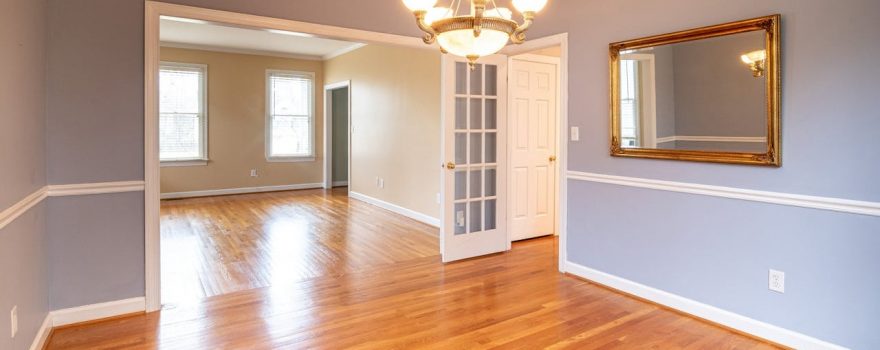
If you’re looking to add a timeless design element that’s both decorative and functional, learning how to install a chair rail is a project worth tackling. Chair rails offer more than just visual appeal—they help protect your walls from scuffs, dings, and dents while giving any room a finished look. Whether you’re a seasoned DIYer or just getting started, this guide will walk you through everything you need to know, from choosing the right height to cutting and securing your trim like a pro.
Ready to start your chair rail project? Contact Builders Surplus or call 866-739-1636 to explore trim options and get expert advice!
Why Learn How to Install a Chair Rail?
Chair rails aren’t just for traditional dining rooms anymore. These horizontal moulding strips are making a major comeback in modern home design—and for good reason. Chair rails break up wall space, provide visual interest, and can even help protect your walls from scuffs and dents caused by furniture. Learning how to install a chair rail gives you an easy way to add character to a room without a major renovation.
What You’ll Need
Before we dive into how to install a chair rail, let’s make sure you’ve got the right tools and materials.
Tools:
- Tape measure
- Pencil
- Stud finder
- Miter saw or miter box with handsaw
- Level or laser level
- Nail gun or hammer and finishing nails
- Caulk gun
- Wood filler or spackle
- Sandpaper
- Paint or stain (optional)
Materials:
- Chair rail moulding
- Adhesive (optional, for added hold)
- Touch-up paint or finish
Step 1: Measure and Mark
Finding the right height: A standard chair rail is installed about one-third of the way up the wall, or between 32 and 36 inches from the floor. If you have tall ceilings, you can go a bit higher for a more dramatic effect. Use a tape measure and level to mark a straight, even line around the entire room.
Tip: Use painter’s tape to mock up your chair rail height before committing. This helps visualize how it will look once installed.
Step 2: Locate Wall Studs
Use a stud finder to locate studs in the wall and lightly mark them with a pencil above your level line. Nailing your chair rail into studs provides the most secure hold, especially for heavier trim.
Step 3: Cut the Moulding
Using your miter saw or miter box, cut your chair rail to fit the walls. For corners, make 45-degree angle cuts for clean joints. If you’re joining two pieces along a long wall, use a scarf joint—a 45-degree overlapping cut that looks smoother than a straight butt joint.
Pro Tip: Always measure twice, cut once!
Step 4: Attach the Chair Rail
Now for the fun part—attaching your trim!
- Apply a small bead of construction adhesive to the back of each piece for extra holding power.
- Line the moulding up with your pencil line and press it firmly against the wall.
- Nail it in place using finishing nails or a nail gun, ideally into studs or with nails spaced about 16 inches apart.
Step 5: Fill, Caulk, and Sand
Once your chair rail is up, use wood filler or spackle to fill nail holes and any small gaps at joints or corners. Caulk along the top and bottom edges for a seamless look. After everything is dry, lightly sand smooth and wipe clean.
Step 6: Paint or Stain
The last step in learning how to install a chair rail is finishing it to match your space. You can:
- Paint it the same color as your trim or walls for a subtle effect
- Choose a contrasting color for bold impact
- Stain it for a rich, natural wood finish
Let it dry completely, and you’re done!
Design Ideas: Where to Use Chair Rails
Chair rails work in more than just dining rooms. Here are a few ideas to consider:
- Hallways: Prevent scuffs from bags or furniture
- Home offices: Create separation between paint or wallpaper zones
- Nurseries and kids’ rooms: Add charm while protecting walls from toys or chairs
- Living rooms: Use with wainscoting or beadboard for a traditional touch
Chair Rail Installation Tips
- Paint before you install: It’s easier to paint moulding before you attach it to the wall. Touch-ups are easy afterward.
- Don’t skip the level: Eyeballing a straight line rarely works—use a level or laser level for best results.
- Use painter’s caulk: This hides gaps and makes your project look professionally finished.
- Cut inside corners first: That way you can measure and cut the straight wall sections to fit precisely between them.
Final Thoughts
Now that you know how to install a chair rail, you’re just a few tools and steps away from a big upgrade. Chair rails are a great DIY project for adding polish and personality to your home, whether you’re going for timeless charm or a modern update.
Ready to shop chair rail moulding or decorative trim? Builders Surplus has a wide selection of quality trim at great prices. Visit one of our convenient locations in Massachusetts, Rhode Island, or Connecticut, or get in touch online or call 866-739-1636 to speak with our friendly team today!
FAQ: How to Install a Chair Rail
Q: Can I install a chair rail without a nail gun?
A: Yes, a hammer and finishing nails work fine. Just be careful not to split the wood, and use a nail set to recess the nails before filling.
Q: How high should a chair rail be?
A: The standard height is 32 to 36 inches from the floor, or roughly one-third of the wall height. Adjust based on ceiling height and personal preference.
Q: Can I install a chair rail over textured walls?
A: You can, but be prepared to use more caulk to fill gaps, or consider sanding the area smooth first for a tighter fit.
Q: Should I paint the wall above and below the chair rail different colors?
A: That’s totally up to you! Many homeowners choose two-tone designs to emphasize the chair rail, but it also looks great when the whole wall is one color.
Q: What’s the difference between chair rail and wainscoting?
A: Chair rail is a single strip of moulding, while wainscoting is typically a full panel or series of panels installed below the chair rail for added texture and design.
Photo by Curtis Adams