
Bathroom
Bathroom Vanity Replacement Cost: What to Expect and How to Budget
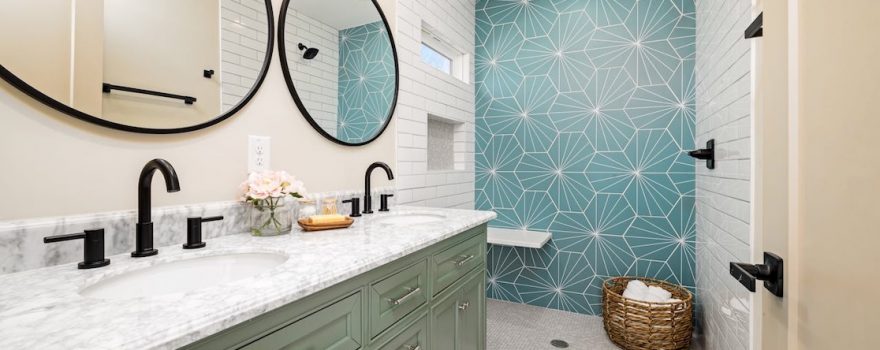
TLDR:
Understanding bathroom vanity replacement cost starts with knowing what affects pricing. Most homeowners can expect to spend anywhere from a few hundred to several thousand dollars depending on vanity size, materials, labor, and installation complexity. Budget-friendly options and DIY installation can significantly reduce costs.
Planning ahead and choosing the right materials can help you stay within budget while still achieving a clean, updated look.
If you have questions about materials or planning your bathroom upgrade, reach out to Builders Surplus today!
Bathroom Vanity Replacement Cost: What Homeowners Should Know
When researching bathroom vanity replacement cost, many homeowners are surprised by how much prices can vary. A simple vanity swap can be relatively affordable, but costs can rise quickly depending on materials, size, and installation requirements.
A bathroom vanity is more than just a cabinet. It often includes the countertop, sink, faucet, and storage components—all of which contribute to the overall cost.
Before starting your project, it’s important to understand the full scope of what’s involved. Replacing a vanity may also require plumbing adjustments, wall repairs, or flooring updates, depending on the condition of your current setup.
By breaking down the costs and planning carefully, you can avoid unexpected expenses and keep your renovation on track.
If you’re preparing for a bathroom project and want help selecting materials, our expert team at Builders Surplus is here to help. Reach out online or call 866-739-1636 to get started.
Average Bathroom Vanity Replacement Cost
The average bathroom vanity replacement cost depends largely on the type of vanity you choose and whether you hire professionals for installation.
Here’s a general breakdown of what homeowners can expect:
- Budget range: $200 – $800
- Mid-range: $800 – $2,000
- High-end: $2,000 – $5,000+
These estimates typically include the vanity itself but may not include labor, plumbing, or additional upgrades.
Budget-Friendly Vanities
Lower-cost vanities are usually made from MDF or particleboard with laminate or cultured marble tops. These are ideal for guest bathrooms or smaller spaces where heavy daily use is less of a concern.
Mid-Range Options
Mid-range vanities often feature better construction, solid-wood components, and upgraded countertops such as quartz or stone. These options balance durability and affordability.
High-End Vanities
High-end vanities may include custom cabinetry, premium materials, double sinks, and high-quality stone countertops. These are typically used in master bathrooms or luxury renovations.
Key Factors That Affect Bathroom Vanity Replacement Cost
Understanding what influences the cost of bathroom vanity replacement can help you make smarter decisions and avoid overspending.
Vanity Size
Larger vanities cost more due to the increased use of materials and countertop space. A single-sink vanity is generally less expensive than a double-sink setup.
Materials
Material choice significantly impacts cost. Solid-wood cabinets and stone countertops are more expensive than engineered wood and laminate surfaces.
Countertops
Countertops can range from budget-friendly laminate to higher-end options like quartz or granite. The material you choose can significantly influence the total project cost.
Plumbing Modifications
If your new vanity requires relocating plumbing lines, costs can increase quickly. Keeping the same layout helps reduce labor expenses.
Labor Costs
Professional installation costs vary depending on the complexity of the project. Simple replacements are less expensive, while projects requiring electrical or plumbing work will cost more.
DIY vs Professional Installation
When calculating the cost to replace a bathroom vanity, deciding whether to install it yourself or hire a professional plays a major role.
DIY Installation
DIY installation can save hundreds of dollars in labor costs. Homeowners with basic tools and experience may be able to handle:
- Removing the old vanity
- Installing the new cabinet
- Attaching the sink and faucet
However, DIY projects require careful planning and attention to detail to avoid costly mistakes.
Professional Installation
Hiring a professional ensures proper installation, especially when plumbing or electrical work is involved. While this increases upfront costs, it can prevent future repairs and complications.
Additional Costs to Consider
Beyond the vanity itself, several additional expenses can affect your total cost to replace the bathroom vanity.
Faucet and Fixtures
If your vanity does not include a faucet, you will need to purchase one separately. Fixture prices vary widely depending on style and finish.
Backsplash and Wall Repairs
Replacing a vanity may reveal wall damage or outdated finishes that need repair or updating.
Flooring Adjustments
If the new vanity footprint differs from the old one, the flooring may need to be patched or replaced.
Trim and Moulding
Updating base moulding or adding decorative trim around the vanity can enhance the final appearance of your bathroom.
Tips to Keep Bathroom Vanity Replacement Costs Down
If you’re looking to manage the cost of replacing your bathroom vanity, there are several strategies that can help you save money without sacrificing quality.
Keep the Existing Layout
Avoid moving plumbing whenever possible. Keeping the sink in the same location can significantly reduce labor costs.
Choose Ready-to-Assemble or Stock Vanities
Stock vanities are typically more affordable than custom-built options and are readily available for faster installation.
Reuse Existing Fixtures
If your faucet and plumbing fixtures are still in good condition, reusing them can reduce overall expenses.
Focus on High-Impact Upgrades
Simple improvements such as new hardware, updated lighting, or fresh paint can complement your new vanity and enhance the overall look without adding significant cost.
Shop Smart
Comparing options and selecting quality materials at reasonable prices can make a big difference in your total renovation budget.
When Is It Time to Replace Your Bathroom Vanity?
Understanding when to replace your vanity can help you plan your renovation more effectively.
Signs it may be time for a replacement include:
- Water damage or swelling in the cabinet
- Cracked or stained countertops
- Outdated design
- Poor storage or functionality
Replacing an old vanity can improve both the appearance and usability of your bathroom.
Bathroom Vanity Replacement Cost: Final Thoughts
The total bathroom vanity replacement cost depends on a combination of factors including materials, size, labor, and additional upgrades. While costs can vary widely, careful planning and smart choices can help you stay within budget.
Whether you opt for a simple vanity swap or a more extensive upgrade, focusing on quality materials and thoughtful design can create a bathroom that feels both functional and refreshed.
At Builders Surplus, we offer a wide selection of home improvement products, including vanities, interior doors, trim, moulding, and more—all at substantial savings. Homeowners and contractors can explore affordable options at our locations in Massachusetts, Rhode Island, and Connecticut.
If you’re planning a bathroom renovation and need help choosing materials, contact Builders Surplus online or call 866-739-1636.
FAQ: Bathroom Vanity Replacement Cost
How much does it cost to replace a bathroom vanity?
Costs typically range from $200 to $5,000 or more, depending on materials, size, and labor requirements.
Can I replace a bathroom vanity myself?
Yes, many homeowners can complete a DIY vanity replacement if no major plumbing changes are required.
What is the most expensive part of a vanity replacement?
Countertops and custom cabinetry are often the most expensive components of a vanity replacement.
How long does it take to replace a bathroom vanity?
A simple replacement can take a few hours to a full day, while more complex projects may take several days.
Do I need a plumber to replace a vanity?
If plumbing lines need to be moved or modified, hiring a plumber is recommended. For straightforward replacements, experienced DIYers may handle the installation themselves.
Photo by Curtis Adams