
Windows
Tilt or Crank? Double Hung vs Casement Windows for Your Home
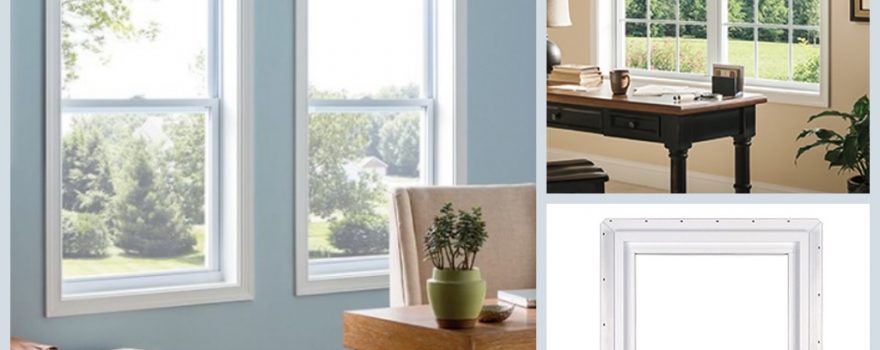
TL;DR: Double Hung vs Casement Windows
Double hung windows have two sashes that slide up and down, while casement windows are hinged on the side and crank outward. Casement windows seal tighter, which makes them slightly more energy efficient, and they catch more breeze. Double hung windows usually cost less, fit traditional New England architecture, and are easy to clean from inside thanks to tilt-in sashes. Choose casement for hard-to-reach spots, like over the kitchen sink, and for maximum airflow. Choose double hung for classic style, tighter budgets, and rooms that open onto walkways or porches.
How Each Window Works
Double hung windows have two sashes, one on top and one on the bottom, and both slide vertically within the frame. You can open the bottom sash for a breeze, lower the top sash to let warm air escape, or open both for circulation. Most modern double hung windows also have tilt-in sashes for easy cleaning.
Casement windows have a single sash hinged on one side. You open them with a crank handle, and the whole sash swings outward like a door. When closed, the sash presses tightly against the frame, and a multi-point lock pulls it snug.
If you’re comparing more than these two styles, our overview of types of replacement windows covers sliders, awnings, picture windows, and more.
Shopping for new windows? Browse our replacement windows selection, or reach out to Builders Surplus with your window questions. You can also give us a call at 866-739-1636.
Side-by-Side Comparison
| Feature | Double Hung | Casement |
| Operation | Sashes slide up and down | Sash cranks outward |
| Typical cost installed | $300–$850 | $300–$1,000 |
| Energy efficiency | Good | Excellent (tighter seal) |
| Ventilation | Up to 50% of the opening | Up to 100% of the opening |
| Cleaning | Tilt-in sashes, cleaned from inside | Exterior reachable when cranked open (with the right hinges) |
| Best for | Traditional homes, porches, walkways | Over sinks, hard-to-reach spots, modern styles |
| Screen location | Exterior | Interior |
Prices are general national ranges. New England installation costs tend to run 15 to 30 percent higher because of labor rates and energy code requirements.
Energy Efficiency: The Edge Goes to Casement
For homes that face long New England winters, efficiency matters. Casement windows have a slight advantage because the sash compresses against the weatherstripping when locked, and wind pushing against the window actually tightens the seal.
Double hung windows have more moving parts and seams where the sashes meet and slide, which leaves more opportunities for air leaks over time. That said, a quality double hung window with good weatherstripping, a Low-E coating, and an ENERGY STAR rating performs very well. The glass package and installation quality often matter more than the style itself. Our guide to draft-free windows explains what to look for.
Ventilation and Airflow
A casement window opens its entire sash, so you get nearly 100 percent of the opening for fresh air. Because it swings outward at an angle, it can also catch side breezes and direct them into the room.
A double hung window can only open halfway at most, since one sash always overlaps the other. The upside is flexibility: opening the top and bottom a few inches creates a natural convection loop, with cool air coming in low and warm air leaving up high.
Style, Space, and Where Each One Fits
Double hung windows are the classic look of New England homes, from Colonials and Capes to Victorians. If you’re replacing windows in an older house and want to keep its character, double hung is usually the natural choice. See our tips on the best replacement windows for old homes for more.
Casement windows have a cleaner, more contemporary look with fewer visible lines, which makes them popular in modern and craftsman designs. Because they open with a crank, they’re ideal anywhere it’s hard to reach, like above a kitchen sink or behind a bathtub.
Keep clearance in mind: casements swing outward, so avoid placing them next to decks, porches, or walkways where an open sash could get in the way.
Maintenance and Cleaning
Double hung windows with tilt-in sashes are some of the easiest windows to clean, especially on second floors, because you can reach both sides of the glass from indoors. Maintenance typically means keeping the tracks clean and checking the balances over time.
Casement windows have a crank, hinges, and locking hardware that benefit from an occasional cleaning and lubrication. Many models open far enough to let you reach the exterior glass from inside, though that depends on the hinge design.
Final Thoughts on Double Hung vs Casement Windows
There’s no single winner in the double hung vs casement windows debate. It depends on the room. Many homeowners mix both: double hung windows on the front of the house for traditional curb appeal, and casement windows in the kitchen or bathroom where easy operation and airflow matter most. Think about how each room is used, how much you want to spend, and the architectural style of your home, and the right choice becomes clear.
Find Quality Windows at Builders Surplus
Builders Surplus stocks replacement windows in popular styles and sizes at surplus prices, so you can upgrade without the big-box markup. Stop by one of our locations in Warwick, West Warwick, and Central Falls, RI; Jewett City, CT; and Lunenburg, MA to see double hung and casement windows in person. You can also reach out to Builders Surplus online or call us at 866-739-1636. Our team can help you choose the right windows for every room.
FAQ: Double Hung vs Casement Windows
Are casement windows more energy efficient than double hung windows?
Generally, yes. Casement windows press tightly against the frame when locked, creating a better seal. A well-built double hung window with Low-E glass and good weatherstripping is still very efficient, though.
Which is cheaper, double hung or casement windows?
Double hung windows are usually less expensive, typically $300 to $850 installed compared with $300 to $1,000 for casement windows. Size, frame material, and glass options affect the final price.
Can I replace a double hung window with a casement window?
Yes, in most cases. The rough opening may need minor adjustments, and you’ll want to make sure there’s room outside for the sash to swing open.
Which window is best above a kitchen sink?
Casement windows are the most popular choice above a kitchen sink because a crank handle is much easier to reach than lifting a sash over a counter.
Which window style lasts longer?
Both last 20 to 30 years or more with quality construction and basic maintenance. Double hung windows have balances that can wear over time, while casements have cranks and hinges that may eventually need replacing.