
Doors
Smart Garage Entry Door Ideas to Upgrade an Often-Overlooked Spot in Your Home
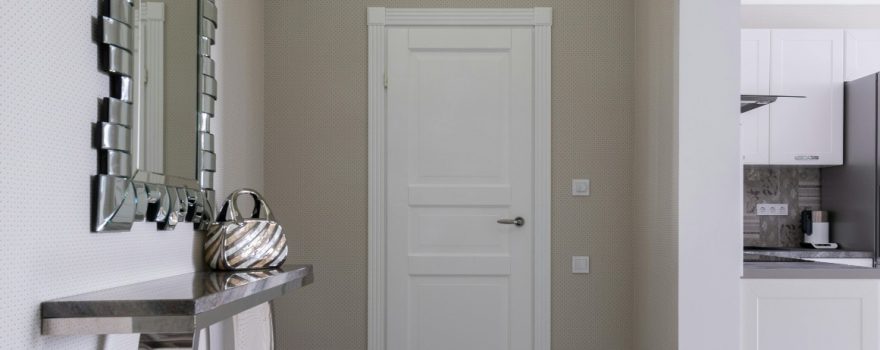
TL;DR: Most homeowners walk through their garage entry door several times a day, yet it tends to be the most neglected door in the house. Smart garage entry door ideas focus on meeting fire-rating code, choosing a material that handles temperature swings, and picking a style that ties into the rest of your interior doors. A solid-core door with the right hardware and updated casing completely transforms the zone between your car and your kitchen.
Ready to refresh that doorway? Reach out to Builders Surplus or call 866-739-1636 — our team will help you pick a door that’s stylish, code-compliant, and built to last.
Garage Entry Door Ideas That Make a Daily Difference
The door from your garage into the house is one of the hardest-working doors in the place. You hit it carrying groceries, hauling laundry, taking out the trash — and it’s the first impression you get of your house every time you walk in. Despite all that, most builder-installed doors at that spot are flat, hollow-core slabs that look out of place compared to the rest of the home. The best garage entry door ideas address all of that with one upgrade: a sturdier door, a smarter style, and finishing touches that turn the doorway from utilitarian into intentional.
Thinking about replacing yours? Stop by Builders Surplus or give us a call at 866-739-1636. Here at Builders Surplus, our team loves helping homeowners across Rhode Island, Connecticut, and Massachusetts find doors that fit their style, their space, and their budget.
Start with the Fire-Rating Requirements
Before you fall in love with a specific style, know this: the door between an attached garage and your living space is regulated by building code across New England. In most jurisdictions, it must be a 20-minute fire-rated door (or a solid wood or steel door at least 1-3/8 inches thick), and some areas require self-closing or self-latching hardware. The goal is to slow the spread of fire and carbon monoxide from the garage into the home.
- Hollow-core interior doors aren’t appropriate here, even if a previous homeowner installed one.
- Look for a door labeled with a 20-minute fire rating (often stamped on the door edge).
- If you order a custom door, confirm with the supplier that it meets the fire rating before installation.
Compare Materials: Steel, Fiberglass, and Solid Wood
Material affects how the door feels, how it holds up to temperature swings, and how much you’ll spend.
Steel
Steel is the workhorse choice — affordable, energy-efficient, fire-rated by default, and resistant to warping. Insulated steel doors handle the temperature difference between a hot or cold garage and a conditioned home better than almost anything else. The downside: steel can show dings from a bike pedal or grocery cart, but minor touch-ups every few years are usually all you need.
Fiberglass
Fiberglass mimics the look of stained wood without the maintenance, and it won’t warp, rust, or rot. It’s a strong middle-ground between affordability and aesthetics — especially if you want a wood-grain finish that matches an oak or walnut interior. Most fiberglass doors carry a fire rating suitable for garage entry use.
Solid Wood
Solid wood brings warmth and character that steel and fiberglass can’t quite match — the right move if you want the door to look like an extension of your interior doors. Just confirm it’s solid-core (not hollow) and rated for fire-resistant use. Wood is more sensitive to humidity, so make sure the garage side is properly weather-stripped.
Choose a Style That Ties Into the Rest of the House
Once you’ve narrowed down the material, style is the fun part. A few directions to consider:
- Shaker / two-panel: Clean, modern, works with almost every home style from colonial to contemporary — the most popular choice we see homeowners landing on.
- Three- or five-panel craftsman: Adds architectural character, perfect for capes, craftsman bungalows, and farmhouses.
- Flush smooth: Minimalist and easy to clean — a strong choice for modern or transitional interiors.
- Glass-lite door: A small frosted or reeded glass panel lets natural light into a dark mudroom. Confirm the glass is fire-rated before going this route.
Whatever style you choose, the goal is for the door to feel like part of the home — not a leftover from the builder. The latest interior door trends lean toward clean panels, matte hardware, and warmer stained finishes.
Don’t Skip the Hardware
Hardware is the jewelry of a door, and on a garage entry it does real daily work too:
- Choose a lever handle over a knob — easier to operate with full hands or an elbow.
- Pick a finish that ties into the rest of your interior hardware (matte black, brushed nickel, satin brass).
- Add a deadbolt for an extra layer of security — garages are a common entry point in home break-ins.
- Weather-stripping along the bottom and sides keeps cold garage air, exhaust fumes, and dust out of the house.
When You Need a Custom Size or Modification
Older homes — especially the colonials and capes you’ll find across New England — often have non-standard door openings. A stock door forced into a wonky opening creates drafts, sticky latches, and gaps you can see across the room. If your opening doesn’t line up with anything off the shelf, a custom-size door is almost always cheaper than reframing the wall. Here at Builders Surplus, our on-site Custom Door Shop handles special-order sizes, fire-rated modifications, panel changes, and bore swaps (for example, adding a deadbolt to a single-bore door).
Update the Casing and Base Moulding While You’re At It
A new door does most of the work, but the trim around it is what really finishes the look. Swapping dated builder-grade casing for a wider, more modern profile costs very little and dramatically lifts the doorway:
- Replace narrow colonial casing with a flat, contemporary 1×4 painted to match the door.
- Add a small backband or cap to existing casing for a craftsman-style upgrade without ripping anything out.
- Make sure the base moulding transitions cleanly — if the mudroom and garage entry have mismatched baseboards, replace one to match the other.
- Caulk and paint casing and jamb in one consistent trim white for a built-in look.
Make the Most-Used Doorway in Your House Feel Like It
A garage entry door is one of the easiest upgrades for the payoff it delivers. The right door is safer, sturdier, and far better-looking than what most homes started with — and with modernized hardware, fresh casing, and a coat of trim paint, the whole zone between your car and kitchen transforms. Focus on quality materials and clean finishing details, and the door will outperform its price tag for years.
Here at Builders Surplus, our expert team is ready to help you find the right door and any moulding, casing, or hardware to go with it. Stop by one of our locations in Rhode Island, Connecticut, or Massachusetts, reach out online, or call us at 866-739-1636.
Frequently Asked Questions
Does a garage entry door have to be fire-rated?
In most jurisdictions across New England, yes — the door between an attached garage and the living space must be a 20-minute fire-rated door (or a solid wood/steel door of minimum thickness, depending on local code). Check with your building inspector and confirm any custom door you order meets the rating.
What’s the best material for a garage entry door?
Insulated steel is the most common pick — affordable, durable, fire-rated, and great with temperature swings. Fiberglass is a strong upgrade for a wood-grain look without the maintenance, and solid wood is the right call if you want it to match the warmth of your interior doors.
How much does a garage entry door cost?
A solid-core, fire-rated steel door starts around $200–$400, fiberglass runs $400–$800, and solid wood typically lands $500–$1,200 depending on species and design. Custom sizes are usually still cheaper than reframing a non-standard opening.
Do I need a self-closing hinge on this door?
Some jurisdictions require it; others have phased the requirement out. Even where it’s optional, a self-closing hinge is a small upgrade that keeps the door from being left propped open — which matters for fire safety, carbon monoxide protection, and conditioned-air loss.
Where can I find quality garage entry doors and matching trim?
Here at Builders Surplus, we carry first-quality fire-rated interior doors, casing, moulding, and hardware at prices that beat the big-box chains, plus an on-site Custom Door Shop for non-standard sizes and modifications. Contact us online or call 866-739-1636 to talk through your project.
Photo by Max Vakhtbovych on Pexels