
Interior
Why Solid Wood Interior Doors Still Outperform Hollow-Core Options
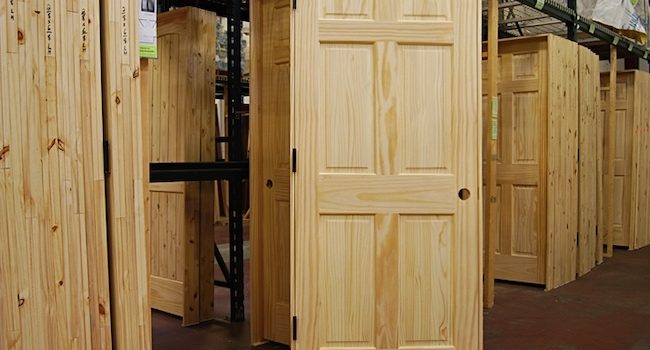
TL;DR: Solid wood interior doors are the upgrade that completely changes how a home feels. They block more sound, hang heavier on their hinges, and resist warping and dings far better than the hollow-core builder doors most homes start with. Expect to pay two to four times more per door than hollow-core, but you’ll get decades of service from a fixture you touch every day. Stick with kiln-dried hardwoods, solid-stile and rail construction, and finishes designed for interior use.
Thinking about upgrading your doors? Reach out to Builders Surplus or call 866-739-1636 — our team will help you compare styles, species, and finishes.
Why Solid Wood Interior Doors Are Worth a Second Look
Walk into a home with solid wood interior doors and you can feel the difference before you’ve even closed one. They swing heavier, sit more firmly on their hinges, and shut with a soft thud instead of a hollow clack. They’re also dramatically better at blocking sound — a real consideration for bedrooms, bathrooms, and home offices in the open-plan homes that dominate New England construction. After more than a decade of builder-grade hollow doors being the default, more homeowners across Rhode Island, Connecticut, and Massachusetts are upgrading to solid wood when it’s time to refresh.
Ready to upgrade? Stop by Builders Surplus or call 866-739-1636. Here at Builders Surplus, our team helps homeowners compare interior doors across styles, species, and price points.
Solid Wood vs. Hollow-Core vs. Solid-Core: What’s the Difference?
Three terms get used interchangeably in conversation, but they mean different things:
Hollow-Core
A thin veneer over a honeycomb cardboard or composite interior. The lightest, cheapest option — and the one most builders install by default. Hollow-core doors dent easily, transmit sound freely, and feel flimsy on the hinges. They look fine when they’re new and disappointing five years in.
Solid-Core
A wood veneer over a dense particleboard or MDF core. Heavier, quieter, and far sturdier than hollow-core, at maybe 50 percent more cost. Solid-core is the most common upgrade and a strong choice for most rooms — particularly bedrooms and bathrooms where sound matters. The differences between solid core vs hollow core interior doors add up across an entire house.
Solid Wood
Built from actual lumber — stiles, rails, and panels milled from hardwood or softwood. The heaviest, quietest, and longest-lasting option, and the only one that can be re-sanded and refinished over decades. Solid wood is the premium choice, and it shows.
Wood Species and What to Expect
Solid wood interior doors come in several common species, each with a slightly different look and price point.
- Pine: Affordable, light-colored, takes paint beautifully. The standard “paint-grade” solid wood door — best when you plan to paint, not stain.
- Poplar: Slightly harder than pine, smoother grain. Another paint-grade favorite.
- Oak: Strong, traditional grain, takes stain well. White oak in particular is having a long moment in interior design.
- Maple: Smooth, light, and clean — pairs especially well with contemporary interiors.
- Cherry: Warm, reddish tones that deepen with age. Premium price, premium feel.
- Walnut: Rich, dark, dramatic. The luxury choice, with pricing to match.
- Mahogany: Traditional, deep red-brown grain. Often used in formal entries and libraries.
Style Choices That Work in New England Homes
Solid wood doors come in nearly every style, but a few patterns work especially well across the colonials, capes, ranches, and farmhouses common in our region:
- Two-panel shaker: Clean, modern, works with almost every home style. The most-requested option we see.
- Three- or five-panel craftsman: Adds architectural detail and feels right at home in older houses.
- Six-panel colonial: A traditional choice that fits classic New England architecture.
- Flush smooth: Minimalist and contemporary — pairs well with modern and transitional interiors.
- Glass-lite: A single panel of frosted, reeded, or seeded glass adds light to dark hallways and entries.
The latest interior door trends and shaker style interior doors give a sense of what’s selling right now: clean panels, matte hardware, and warmer stained finishes are all having a moment.
Hardware Choices That Match the Upgrade
A heavy solid wood door deserves hardware to match. Skipping the hardware upgrade is the most common mistake we see — a beautiful new door with cheap hinges and a flimsy handle reads instantly off:
- Use heavy-duty hinges rated for the door’s weight. Three hinges per door is the standard for solid wood.
- Pick a lever or knob that feels weighty in the hand — cheap stamped hardware gives the whole door away.
- Match the finish across the home — matte black, brushed nickel, satin brass, or oil-rubbed bronze. Don’t mix.
- Consider upgraded latches and strikes — solid wood doors close differently and benefit from quality hardware.
When to Order Custom
Older homes — especially the colonials, capes, and Victorians common across New England — often have non-standard door openings.
If your opening doesn’t match a stock size, ordering custom is almost always cheaper than reframing the wall. Here at Builders Surplus, our on-site Custom Door Shop handles customized height, jamb depths, large selection of glass options, outswing doors, double doors and many other options — the same shop local contractors use to meet specific build specs.
Upgrade the Doors and the Whole Home Feels Better
Solid wood interior doors are one of the easiest upgrades to underrate on paper and one of the most satisfying once they’re installed. The added weight, the dampened sound, and the warmth of real wood show up every time you touch the door — and they last for decades. Pair them with substantial hardware and refreshed casing, and the whole home reads as more intentional. Whether you replace every interior door at once or work room by room, the change is real.
Here at Builders Surplus, our expert team is ready to help you compare species, styles, and finishes. Stop by one of our locations in Rhode Island, Connecticut, or Massachusetts, reach out online, or call 866-739-1636 to talk through your project.
Frequently Asked Questions
How much do solid wood interior doors cost?
Paint-grade solid wood doors (pine, poplar) typically start around $250–$400 per slab, with stain-grade hardwoods like oak, maple, or cherry running $500–$1,200+ depending on size and detail. Premium species like walnut and mahogany push higher. Pre-hung (with frame) adds to the price.
Are solid wood doors really that much quieter?
Yes — meaningfully. A solid wood door blocks roughly twice as much sound as a hollow-core door of the same dimensions. The difference is most noticeable in bedrooms, bathrooms, and home offices where privacy and quiet matter.
Can I install solid wood doors myself?
Replacing a slab (the door itself) in an existing pre-hung frame is a DIY-friendly project if you’re comfortable with a hinge mortise template. Installing a new pre-hung door in a finished opening is more involved — many homeowners hire that part out.
Will solid wood doors warp in New England humidity?
Quality solid wood doors are kiln-dried and built to handle normal humidity swings. Avoid extreme moisture exposure — don’t use a stain-grade interior door at a bathroom with no exhaust fan, for example — and finish all six sides of the door before installation to seal against moisture.
Where can I find quality solid wood interior doors?
Here at Builders Surplus, we carry a wide selection of solid wood interior doors across species, styles, and price points — plus an on-site Custom Door Shop for non-standard sizes and modifications. Contact us online or call 866-739-1636 to talk through your project.