
Outdoors
Front Porch Railing Ideas That Sharpen the Look of Any New England Home
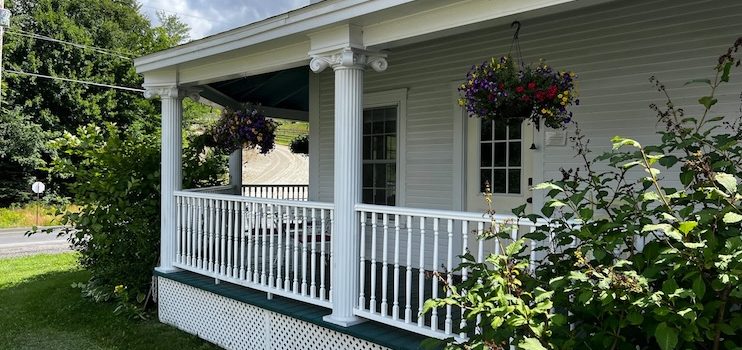
TL;DR: Great front porch railing ideas tie an entry together, lift curb appeal, and meet building code without looking like an afterthought. The right material — wood, composite, aluminum, or cable — depends on your home’s style, your maintenance tolerance, and the wear from New England weather. Style choices (baluster shape, top rail profile, post detailing, color) shape how the porch reads from the curb. A handful of proven combinations work for almost any home, from a Cape Cod to a modern farmhouse.
Ready to plan a porch refresh? Reach out to Builders Surplus or call 866-739-1636 — our team will help you compare railing kits, balusters, and posts that fit your home and budget.
Why Front Porch Railing Ideas Make Such a Big Curb-Appeal Difference
A porch railing is one of the first details visitors register from the street — often before they even take in the door or the landscaping. That makes front porch railing ideas one of the easiest projects to punch above their weight for curb appeal. The right combination of material, color, and detailing can take a tired, sun-bleached porch from forgettable to memorable, and a well-built railing also delivers on the practical side: meeting code, supporting heavy use, and standing up to New England’s freeze-thaw cycles year after year.
Want help picking a railing system? Stop by Builders Surplus or call 866-739-1636. Here at Builders Surplus, our team helps homeowners across Rhode Island, Connecticut, and Massachusetts pull together outdoor projects — including railings, decking, and exterior trim.
Pick the Right Material for the Job
Material affects everything: how the porch looks, how often you’ll need to repaint, and how the railing handles ice, salt, and humidity. The four main choices each have a clear sweet spot.
Wood
Classic, warm, and easy to customize. Pressure-treated pine is the most affordable, while cedar and mahogany hold up longer with less maintenance. Plan to repaint or restain every 3 to 5 years to keep wood railings looking sharp through New England weather.
Composite
The current go-to for homeowners who don’t want to chase repainting cycles. Modern composite railings look strikingly close to painted wood, won’t rot, and shrug off ice and salt. Trex Transcend systems — including the Transcend black railing kit and the vintage lantern kit — pair beautifully with composite decking and stay sharp for decades.
Aluminum
Powder-coated aluminum is sleek, modern, and almost maintenance-free. It works especially well on contemporary homes, modern farmhouses, and anywhere you want thinner sightlines than a wood railing can give you. Black aluminum has become particularly popular for its strong yet quiet look.
Cable and Glass
Cable rail systems and tempered-glass panels open up views and feel distinctly modern. They cost more than traditional balusters, but for porches with water views, mountain views, or a striking front yard, they let the surroundings carry the design. Stick to architecturally modern homes — they can look out of place on a traditional colonial.
Match the Style to Your Home
The single most common front porch railing mistake is picking a railing that doesn’t suit the home’s architecture. A few rules of thumb that work across New England:
- Colonials and capes: Painted wood or composite railings with simple square or turned balusters, white or off-white, with a flat top rail.
- Victorian and Queen Anne homes: Decorative turned balusters or ornate spindles in white, sometimes with a darker accent on the top rail.
- Craftsman and bungalow homes: Tapered wood posts, square balusters, and stained or natural wood finishes with painted trim.
- Modern farmhouses: Black aluminum or black composite railings with square balusters, paired with white columns or warm wood porch flooring.
- Contemporary builds: Cable rail, glass panels, or thin black aluminum systems with minimal detailing.
Don’t Forget the Building Code Requirements
Front porch railings are regulated by code in every New England state, and the rules are stricter than most homeowners realize. Before finalizing your design, confirm with your local building inspector. A few of the most common requirements:
- Railings are required on any porch surface more than 30 inches above the surrounding grade.
- Top rail height: typically 36 inches minimum for residential porches (42 inches for decks in some jurisdictions).
- Baluster spacing: balusters must be close enough that a 4-inch sphere cannot pass through (the “4-inch rule”).
- Posts must be properly anchored — typically with through-bolts or post bases rated for the load, not just toe-nailed to the deck.
- Glass, cable, and horizontal rail systems all have additional code requirements; check before ordering.
Coordinate the Railing with Posts, Trim, and Lighting
A railing rarely looks great in isolation. The pieces around it — the porch posts or columns, the trim work, the porch ceiling, and the lighting — determine whether the railing reads as part of a finished design or as a stand-alone afterthought.
- Posts: Substantial 6×6 wrapped posts almost always look better than skinny 4x4s. Add a base block and a cap for an architectural finish.
- Trim: Keep the porch trim and railing in the same color family. Mismatched whites and off-whites are surprisingly noticeable.
- Ceiling: A pale blue “haint blue” porch ceiling is a classic New England touch that works beautifully with white railings.
- Lighting: Wall sconces, post-cap lights, or recessed step lighting transform a railing at night and add a real safety benefit.
- Decking: Composite decking and composite railing systems are designed to coordinate; mixing materials is fine, but plan the finishes carefully.
Pair the Railing with a Door That Earns Its Spot
The railing and the front door work together — both frame the entry experience. If you’re refreshing the railings, take a good look at the front door as well. Updated exterior doors with a coordinated hardware finish can finish the porch in a way the railing alone can’t. If your opening is unusual (older colonials and capes often have non-standard sizes), our on-site Custom Door Shop can handle special-order sizes and modifications.
Refresh Your Porch the Right Way
The best front porch railing ideas balance style, durability, and code compliance — and tie back to the rest of your home’s exterior. Whether you’re going classic with painted wood, modern with black aluminum, or low-maintenance with composite, focus on substantial posts, clean detailing, and a finish that holds up to New England weather. The investment pays back every time someone walks up to your door.
Here at Builders Surplus, our expert team is ready to help you compare railing kits, balusters, posts, and matching trim. Stop by one of our locations in Rhode Island, Connecticut, or Massachusetts, reach out online, or call 866-739-1636 to talk through your porch project.
Frequently Asked Questions
What’s the most durable porch railing material for New England?
Composite (Trex Transcend and similar systems) and powder-coated aluminum hold up best to freeze-thaw cycles, salt, and humidity. Cedar and mahogany are the best wood options for longevity. Pressure-treated pine works but needs the most upkeep.
How tall does a front porch railing have to be?
In most New England jurisdictions, railings are required on any porch surface more than 30 inches above grade, with a top rail height of at least 36 inches for residential porches. Confirm with your local building inspector for your specific town.
Can I install a porch railing myself?
Many composite and aluminum railing kits are designed for DIY installation if you’re comfortable with a drill, a level, and basic measuring. Custom wood railings are more complex and often worth hiring out. Either way, posts must be anchored to code — toe-nailed posts will not pass inspection.
What color should I paint my porch railing?
White or off-white is the safest choice and works on almost every home style. Black has become very popular on modern farmhouses and contemporary builds. If you’re matching existing trim, take a sample of the existing trim color and have your finish matched — eyeballing it rarely works.
Where can I find quality porch railing kits and matching components?
Here at Builders Surplus, we carry composite railing kits including the Transcend black railing kit, composite decking, and matching outdoor materials for porch and deck projects. Contact us online or call 866-739-1636 to talk through your project.
Photo by Clinton Weaver on Pexels